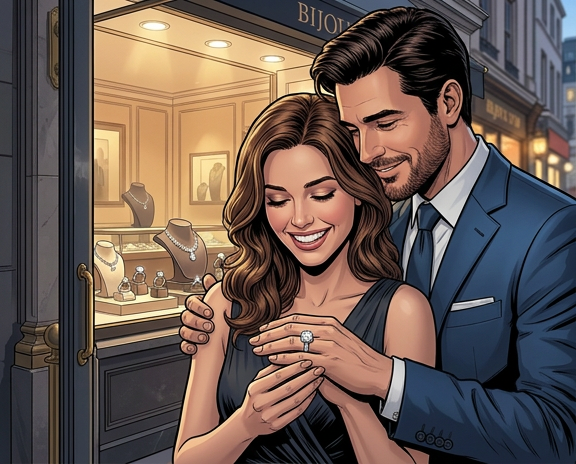

Buying an that ultimate symbol for your lady love can be a nerve-wracking process, so it’s prudent to go in backed by knowledge with our guide to buying an engement ring.
You’re about to drop a serious chunk of cash on a ring that’s meant to last a lifetime. The last thing you need is to get played by shady markups, dodgy stones, or “once-in-a-lifetime” deals that smell off.
Here’s the straight-talking, no-fluff guide to buying smart, staying protected, and walking out with a ring she’ll actually love—without looking like a wide-eyed amateur or a paranoid tightwad.
Step 1: Lock in Your Budget and Get Real About Value
Forget the old “two months’ salary” myth. In 2026, the sweet spot for most guys sits between USD4k–10k depending on where you live, but we suggest you only spend what won’t make you sweat yourself to death.
Rule of thumb: Prioritise cut over carat. A well-cut 1ct stone that sparkles like crazy beats a bigger, duller one every time.
Decide early how you want to play this, remembering that natural diamonds, lab-grown, often 50-70% cheaper and chemically identical, have moved past the shame stage and have become mainstream, and are now 50% of all engagement ring stones sold. Alternatives like moissanite/sapphire also offer something a little different.
Pro move: Shop with a rough number in mind (“around USD6500”) and be ready to walk if they push you hard. When I was shopping for a ring, I casually mentioned my personal mantra: “I’d never buy a diamond from a place I couldn’t come back and burn down”. A joke of course, but an effective one.
Step 2: Master the Engagement Ring 4Cs Without Turning Into a Gemologist
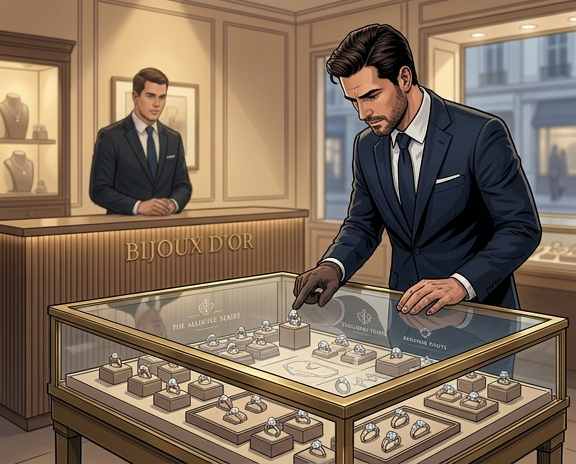
You don’t need to memorise every grading nuance, but you do need to know enough to call bullshit:
- Cut: The most important. Excellent/Ideal cut = fire and brilliance (remembering that she’s going to want to flash that sucker at any one who will look). Poor cut = looks dead, even if it’s big.
- Colour: D-F (colourless) is top. G-J is still great value and eye-clean for most settings.
- Clarity: SI1 or better. Flaws you can’t see with your naked eye are fine unless she has a microscope at home.
- Carat: That’s the size. Remember, it’s the opposite of “bigger is always better” – a 1.2ct with crap cut looks smaller than a 0.9ct beauty.
Always demand a GIA or AGS certificate for any diamond over 0.5ct. These are the gold standards and stops lesser labs from inflating stone grades.
Step 3: Where to Buy (And Where to Avoid Like the Plague)
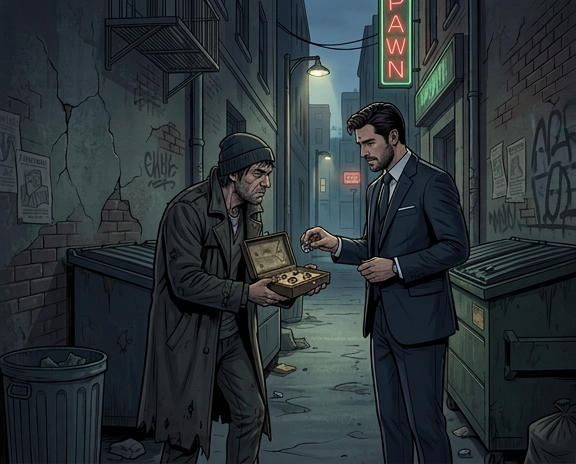
Where you go shopping (and for heaven’s sake, unless you’re minted, don’t take her with you) is just as important as what you’re shopping for. Here’s what to look out for.
- Reputable online (Blue Nile, James Allen, Brilliant Earth, etc.): Best prices, 360-degree ring videos, easy comparisons, solid return policies. Many have in-house gemologists.
- Local independent jewellers: Good for custom work and negotiation. Check reviews and ask to see their GIA reports in person.
- Big chains/mall stores: Often highest markups. Fine for simple bands, risky for big stones unless on serious sale.
- Avoid: Random online “deals” with no certification, pressure-sales “today only” nonsense, or anyone refusing independent verification.
Red flags: Prices way below market, no paperwork, “blue-white” hype, or reluctance to let you take the stone for an independent appraisal. Give these places a wide berth.
Step 4: The Shopping Ritual (Stay Cool and in Control)
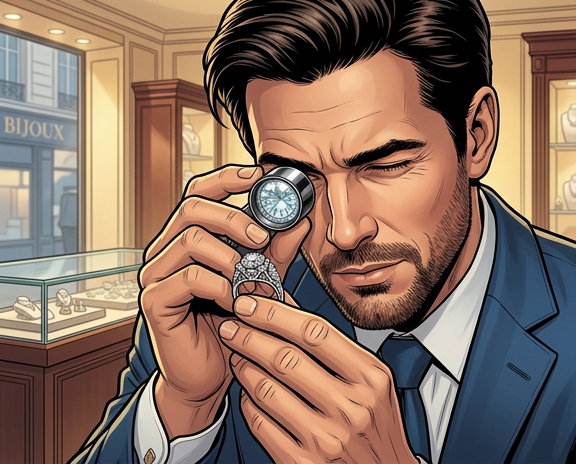
You need to look like you know what you’re doing so you’re not taken for a fool. At the same time, you need more than an reel caption’s insight so you don’t make a gemological faux pas.
- Do your homework first — Browse online to narrow styles. Know her taste (solitaire, halo, vintage, etc.). Borrow a ring for sizing if it’s a surprise.
- See it in person — Even if buying online, use showrooms where possible. Check under different lights.
- Ask the right questions:
“Can I see the GIA/AGS report?”
“What’s the exact carat weight of the centre stone?” (Not total weight.)
“What’s your return/exchange policy?”
“Does it come with an independent appraisal?”
- Negotiate — Be polite but firm and don’t be shy to haggle with phrases like “What’s your best price on this?” This approach often works (many independents will be expecting it), especially on lab-grown or older stock.
- Get it checked — Pay for a quick independent appraisal after purchase (or before final payment if you’re buying local). It’s well worth the USD100 peace of mind.
Step 5: Protection and Paperwork (The Boring But Essential Bit)
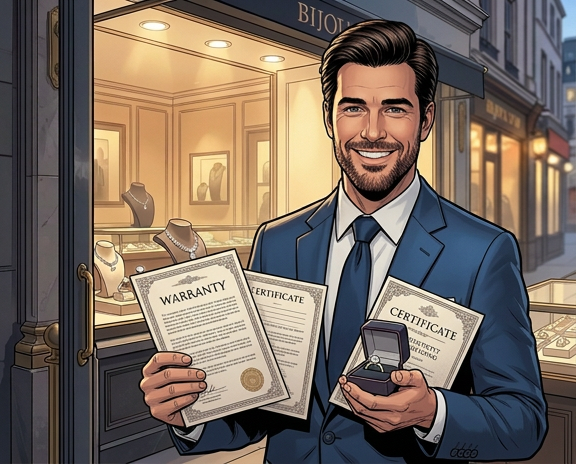
These are steps that many love-sick lads forget or skip but they’re as important as your wedding vows.
- Insurance: Add it to home contents or get specialist jewellery cover immediately.
- Warranty: Lifetime on setting, at least 1-year on stones.
- Appraisal: For insurance value (usually higher than purchase price).
- Receipt: Full details of stone specs, metal, price.
- Resizing/repairs: Free or discounted first year is common with good sellers.
Common scams to dodge: Bait-and-switch stones (a hard one to spot but stay vigilant), fake/inflated certifications, “total weight” tricks on multi-stone rings, and ridiculous markups on brand names.
Bonus Moves That Make You Look Sharp

It’s a serious investment, so don’t be afraid to seek out expert advice, both on the stone and the style.
- Bring a trusted mate or her best friend for a second opinion if you’re unsure.
- Consider custom: Many places will source the stone and set it for better value.
- Think long-term: Opt for platinum or 18k gold for durability and avoid super-trendy settings she might tire of.
- Lab-grown doesn’t mean cheap-looking—many top stones are lab now and save you cash for the honeymoon or house deposit that will inevitably come next.
Final Word: It’s a Ring, Not a Performance
The most authoritative move isn’t flashing a flawless D-colour rock. It’s buying something thoughtful, an engagement ring within your means, from someone reputable, with paperwork that proves it’s legit.
Do that and you’ll propose like a man who’s got his shit together—because you do. She’ll feel the difference in how it was chosen, not just how big it is.
Now go find the one that makes sense for both of you. The proposal is the moment. The ring is the forever part. Get it right.