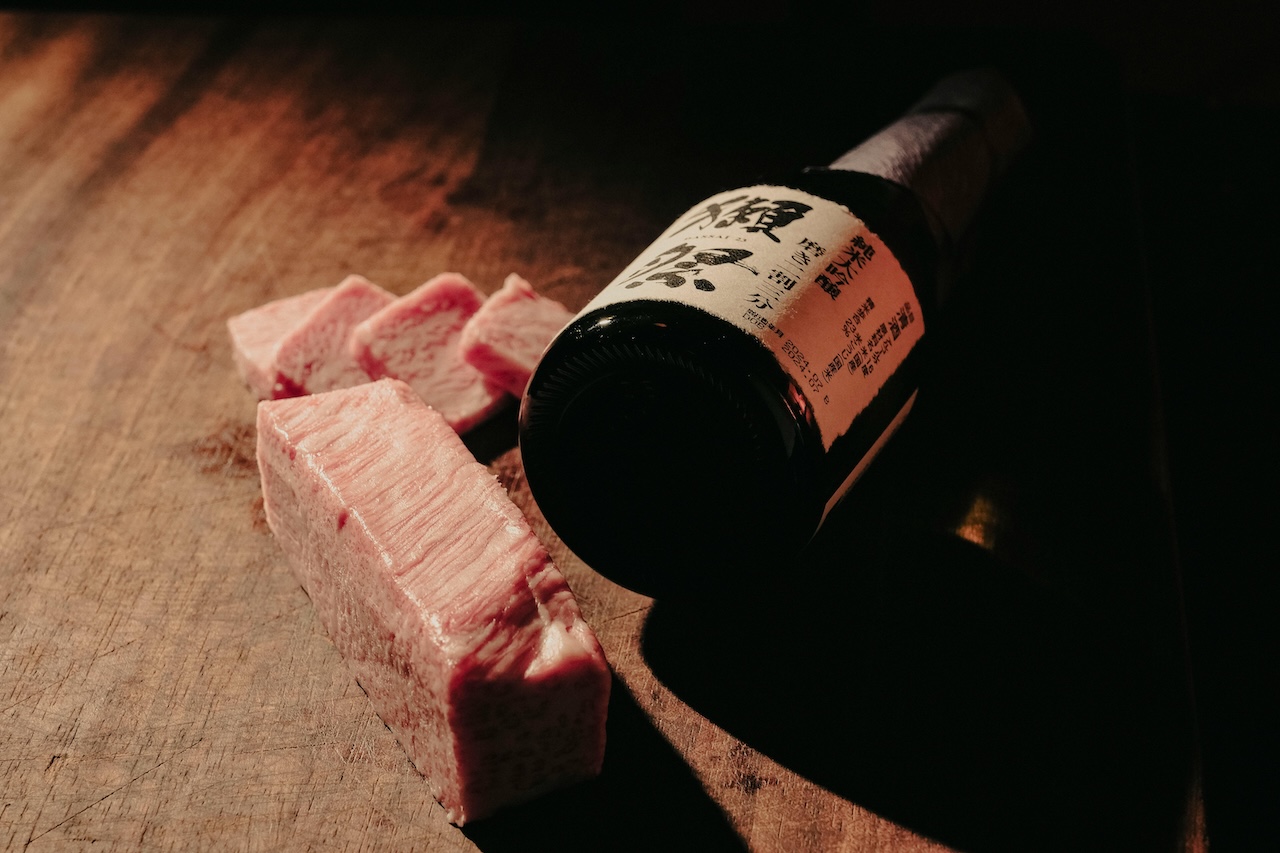

Sake is one of the world’s most nuanced and food-friendly drinks—and one of the least understood outside Japan. We take a look at every major style, how temperature changes everything, and how to order it with confidence.
Sake is one of the most complex, food-friendly, and misunderstood drinks on the planet. Served warm or cold, in ceramic or glass, with a grade system that rewards curiosity, this guide covers everything you need to navigate a sake menu with quiet authority, from Tokyo’s leading restaurants to your local sushi train.
The Spirit Fueling Japan
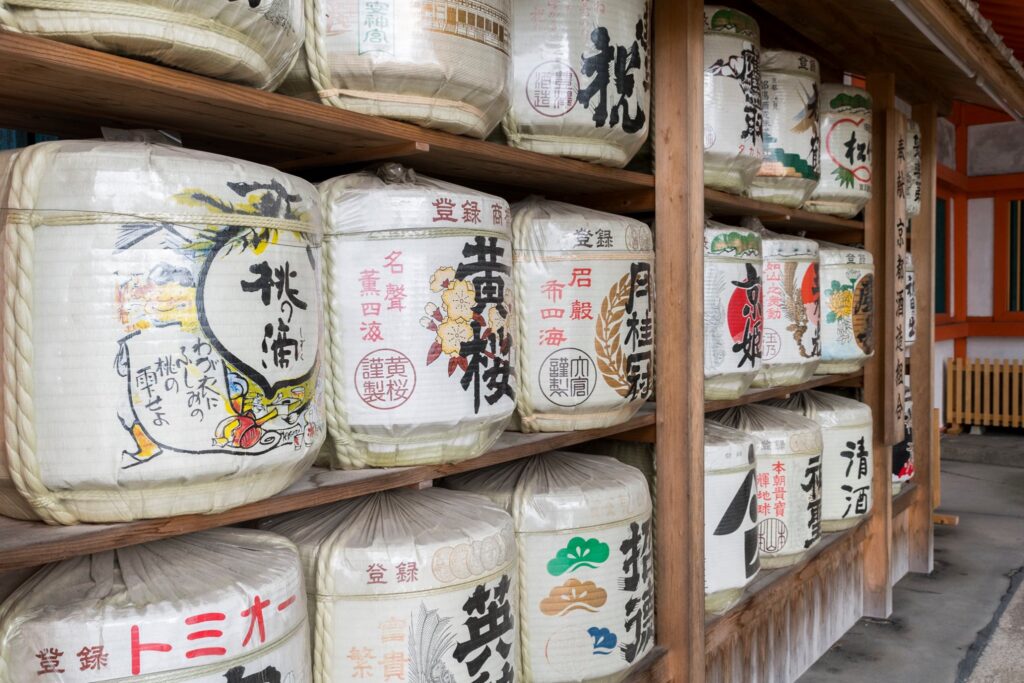
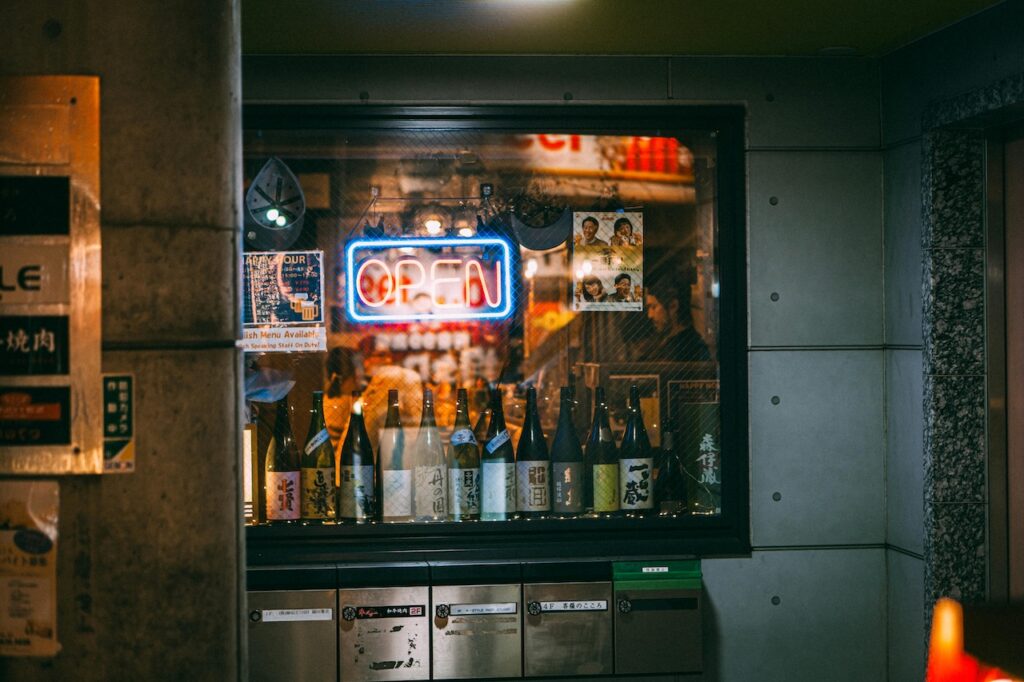
Sit down at a serious Japanese restaurant almost anywhere in Asia—Tokyo, Singapore, Hong Kong, Jakarta, Bali—and at some point a menu will be placed in front of you that details an envitably endless list of sakes. At this point, most lads make one of two moves: They either point at a word they vaguely recognise and hope for the best, or they ask for the house sake in a bottle they can gesture at. Both are entirely reasonable responses to an unfamiliar system (don’t worry, we’ve all been there), but neither gets you a drink the restaurant is actually proud of.
Sake—known in Japan as nihonshu, ‘the drink of Japan’—has been brewed for well over a thousand years and occupies a cultural position in the Land of the Rising Sun analogous to wine in France: it’s the native fermented drink, inseparable from food culture, ceremony, and regional identity. Like the best whisky and wine, it has a classification system built around how it is made rather than simply where it comes from, though geography matters too. And like wine, once you understand the basic grammar of that system, the menu stops being a barrier and starts being an invitation.
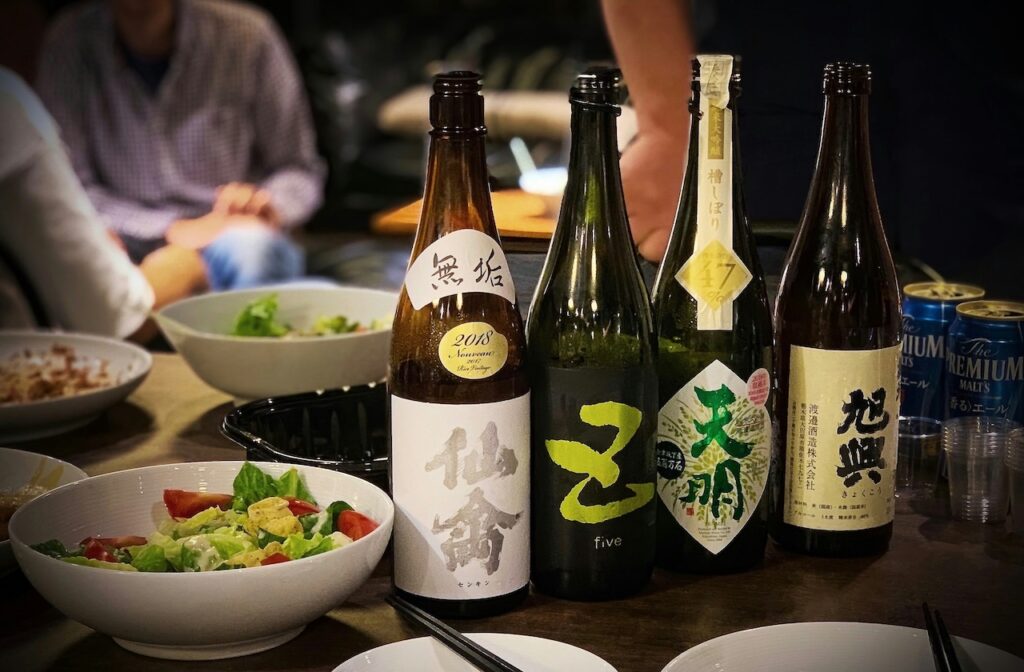
This comprehensive sake guide will take you through how this timeless spirit is made, what the grades actually mean, why temperature is one of the most important and least understood variables in sake service, and how to order with the kind of confidence that suggests you’ve been moonlighting at The Bank of Yokohama.
What Sake Actually Is: The Basics
Sake is a fermented alcoholic drink made from rice, water, koji mould, and yeast. It’s not rice wine, though it is often described as such for simplicity. In fact, the brewing process is closer in some respects to beer—starches in the rice are converted to sugars before fermentation can occur—but the finished product is quite unlike either beer or wine. It is typically around 15–16% ABV (though this varies), generally clear or very slightly hazy, and can range from bone-dry and mineral to lush, fruity, and almost creamy.
The key raw ingredients tell you a lot. The rice used for sake brewing is different from table rice—larger-grained, with more starch at the centre and less protein and fat at the outer layers. The water source is considered almost sacred by many breweries: soft water from the mountains around Kyoto’s Fushimi district produces gentle, smooth sake, while the hard water of Nada in Hyogo Prefecture produces bolder, drier expressions.
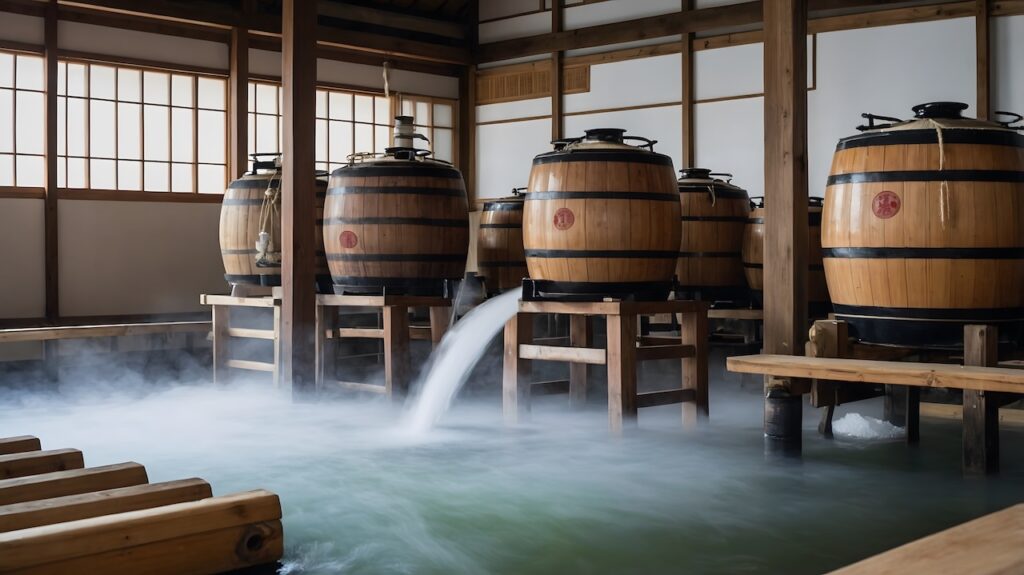
Koji mould (Aspergillus oryzae) is the organism that converts the starches to fermentable sugars—without it, there would be no sake (and probably no karaoke)— and the yeast strain determines much of the aromatics and flavour character of the finished drink.
The quality and character of sake are also shaped significantly by rice polishing—the degree to which the outer layers of the rice grain are milled away before brewing. This polishing ratio is at the heart of the classification system and the first thing to understand when reading a sake label.
The Polishing Ratio: Why Milling Matters
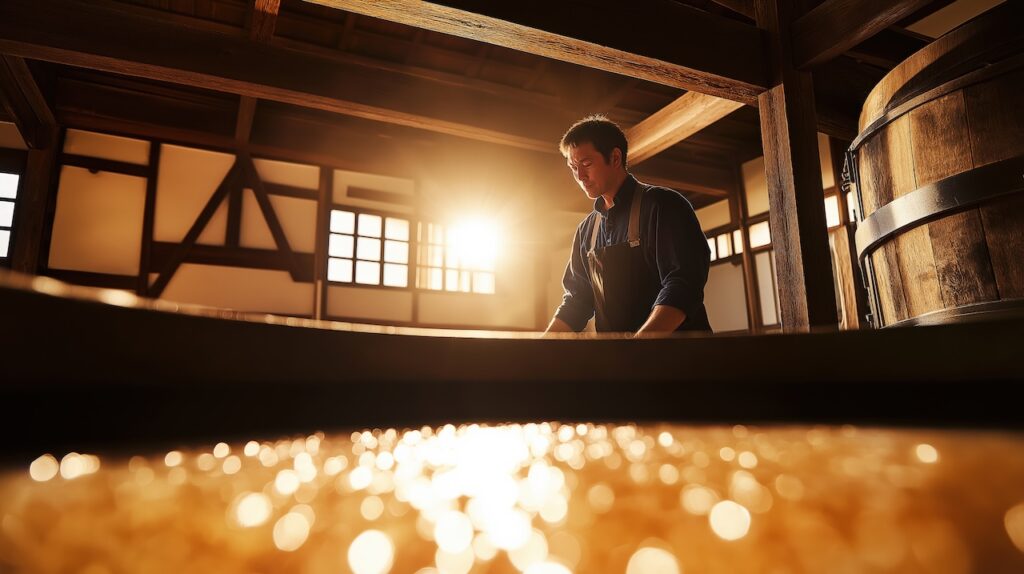
The outer layers of a rice grain contain proteins and fats that, if left in during brewing, produce heavier, earthier, more pungent flavours. The starchy centre—the part that makes clean, elegant, aromatic sake—is revealed as more of the outer grain is milled away. This polishing ratio is expressed as a percentage of the grain remaining after milling. A sake with a polishing ratio of 60% means 40% of the outer grain has been removed; a ratio of 35% means 65% has been milled away.
Lower polishing ratio numbers indicate more milling, which generally (though not always) means a lighter, more fragrant, and more expensive sake—because polishing takes time, skill, and results in a significant loss of raw material. A Daiginjo-grade sake, for example, requires the rice to be milled to at least 50% remaining—meaning half the grain has been discarded. This is why premium sake is expensive, and why the grade system is worth understanding before you order.
The Grade System: What the Labels Actually Mean
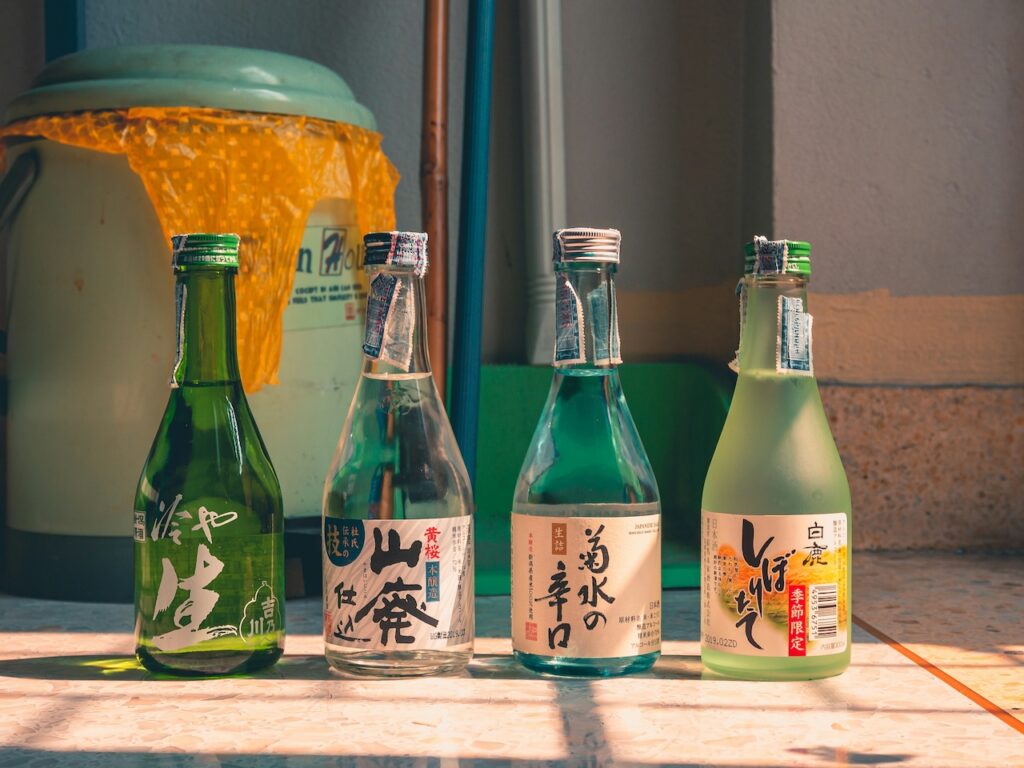
Japanese sake has a defined classification system based primarily on polishing ratio and whether or not distilled alcohol has been added to the mash during brewing. Navigating this system confidently is the single most useful skill you can take to a sake menu.
Junmai (純米) is the foundational category. It translates literally as ‘pure rice’ and means exactly that: the sake is made from rice, water, koji, and yeast only—no added distilled alcohol. Junmai tends to be fuller-bodied, richer, and earthier than its counterparts. It is the most traditional expression of sake, often with umami depth and a slightly savory finish that makes it extraordinarily food-friendly. It handles temperature well in both directions and is usually priced accessibly. If you’re new to sake and ordering without much guidance, a Junmai from a reputable brewery is a reliable and honest starting point.
Honjozo (本醸造) adds a small amount of distilled alcohol to the mash before pressing—not to boost strength (the alcohol largely evaporates) but to extract additional aromatic compounds and produce a lighter, more fragrant result. Honjozo is dry, clean, and slightly more aromatic than Junmai. It is excellent warm (so order during those Niseko ski trips) and makes a superb food sake. It is also typically more affordable than higher grades and represents some of the best value in the sake world. A good Honjozo from a traditional brewery in Nada or Niigata is a drink to take seriously.
Ginjo (吹褶) requires the rice to be polished to at least 60% remaining, and uses a slow, cold fermentation process that produces fruity, floral aromatics—apple, pear, melon, and white flowers are common descriptors. Ginjo sake is more delicate and aromatic than Junmai or Honjozo, with a lighter body and a more elegant character. It is best served cold and in a wine glass that allows the aromatics to open. Junmai Ginjo (no added alcohol) tends to retain more rice character and depth; regular Ginjo (with a small addition of distilled alcohol) is typically lighter and more overtly fragrant.
Daiginjo (大吹褶) is the pinnacle of the classification system. Rice is polished to at least 50% remaining—and often significantly further, with some premium expressions using rice milled to 23% or even lower. The result is sake of extraordinary refinement: light, clean, complex, and often intensely aromatic with delicate fruit and floral notes. Junmai Daiginjo contains no added alcohol and is generally considered the truest expression of the brewer’s craft. It should be served cold, in good glassware, and ideally without food that will compete with its subtlety. This is the sake equivalent of a grand cru Burgundy—worth the premium on the right occasion, but not the automatic first choice for a long dinner.
Beyond the Grades: Special Categories Worth Knowing
The four grades above cover the majority of premium sake, but several additional categories appear regularly on good sake menus and reward recognition.
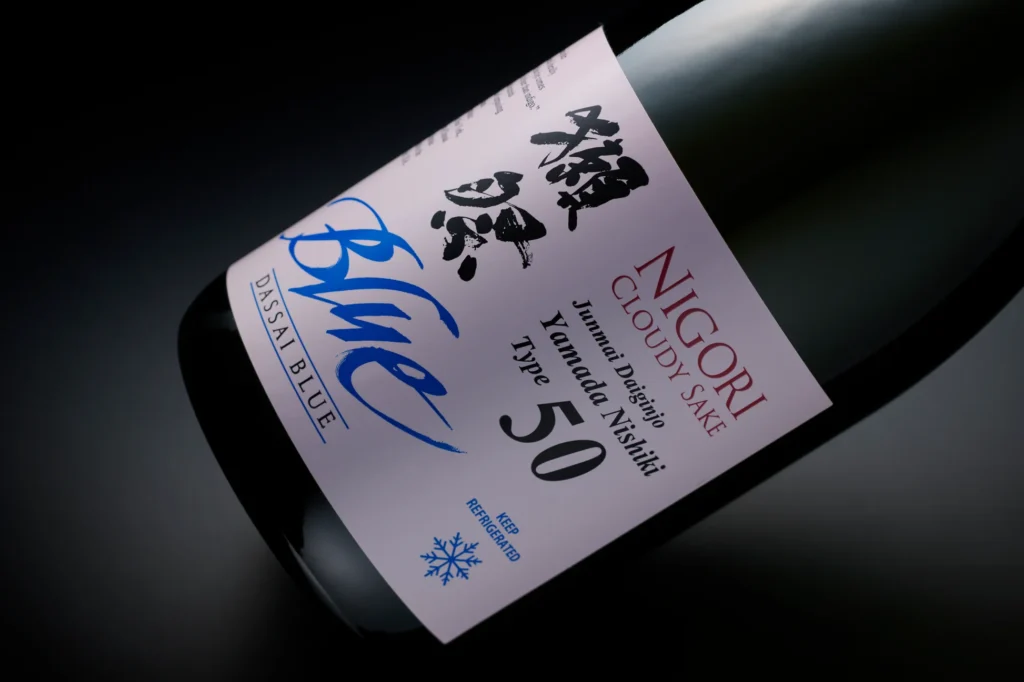
Nigori (にごり) is unfiltered—or more accurately, coarsely filtered—sake that retains rice solids in the liquid, giving it a cloudy, milky appearance and a richer, creamier texture than clear sake. It tends to be sweeter, rounder, and more approachable than filtered styles. Nigori is the gateway sake for many newcomers because its sweetness and texture are immediately familiar. It pairs beautifully with spicy food and dessert, and is best served cold. There is a spectrum within Nigori—from lightly hazy to thick and almost porridge-like—so the label’s description is worth reading if available.
Nama (生) means unpasteurised. Most sake is pasteurised twice during production to stabilise it; Nama sake is either pasteurised once or not at all, giving it a fresher, more vibrant, and livelier character—sometimes described as having a ‘wild’ or ‘green’ quality. It must be kept refrigerated at all times and drunk relatively soon after bottling, which means it rarely travels well and is most reliably encountered in Japan itself or at serious specialist retailers. When you do encounter it, the freshness is remarkable.
Kimoto and Yamahai refer to traditional brewing methods that use naturally occurring lactic acid bacteria rather than commercially added lactic acid to protect the fermentation. These methods—Kimoto is the traditional labour-intensive version, Yamahai is a simplified variant developed in the early twentieth century—produce sake with more complexity, earthiness, and depth than modern brewing methods. The character is often described as wild, funky, and umami-rich—which might be a little challenging at first but deeply rewarding if you stick with it. These styles have seen a significant revival among sake enthusiasts and natural wine drinkers who are drawn to their unmanipulated complexity.
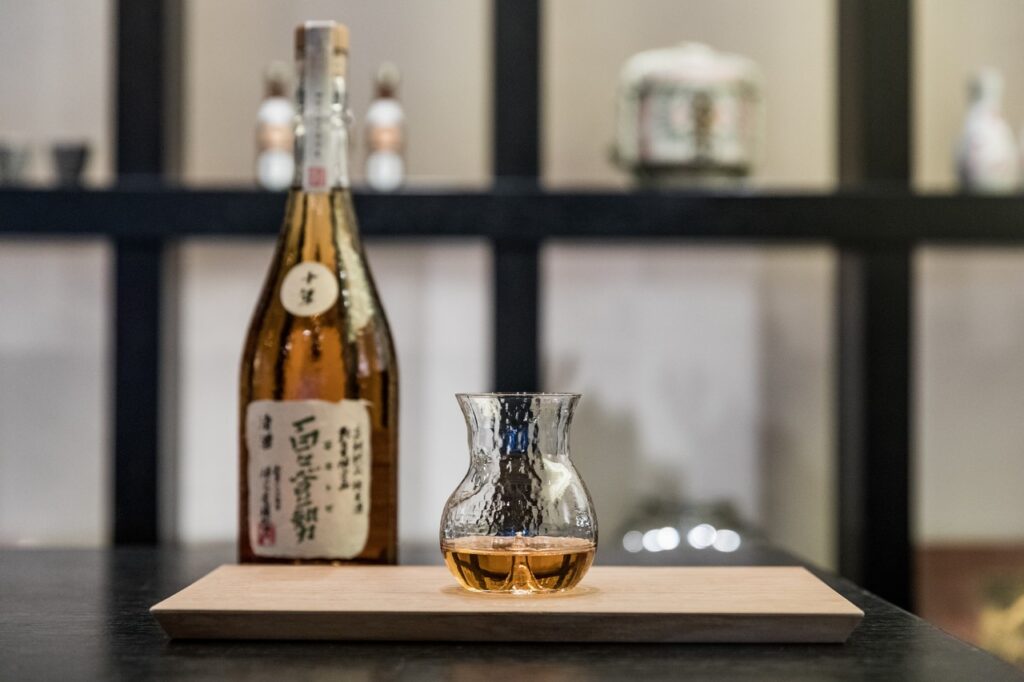
Koshu is aged sake—a relatively rare category in which the sake is kept for extended periods (sometimes many years) before release. Ageing develops deep amber or gold colour, and the flavour moves toward caramel, soy, dried fruit, and nutty oxidative notes reminiscent of Sherry or aged spirits. I’ll admit it’s not to everyone’s taste but it is an extraordinary style, and a serious sake bar or restaurant will often have one or two expressions worth exploring.
Sparkling sake is exactly what it sounds like: sake with carbonation, produced either by in-bottle secondary fermentation (in the manner of Champagne) or by simple carbonation injection. The quality range is wide. The finest examples—Dassai Sparkling, Nio Junmai Daiginjo—are elegant, celebratory, and genuinely complex. Others are little more than sweet, fizzy novelties. As an opening drink or aperitivo substitute at a Japanese dinner, well-made sparkling sake is difficult to fault.
Temperature: The Variable That Changes Everything
Ask most people what temperature sake should be served at and they will say warm, because that is what they remember from inexpensive ceramic flasks at cheapish Japanese restaurants. Like monogamy, this is both understandable but also somewhat limiting. Temperature is one of the most nuanced and intentional variables in sake service, and understanding it unlocks an entirely different relationship with the drink.
The first principle: premium sake—Ginjo and Daiginjo grades in particular—is almost always served cold. In fact, the fragile, delicate aromatics that make these styles exceptional are compromised by heat. Warming a Junmai Daiginjo is a bit like boiling a bottle of grand cru Burgundy: you haven’t ruined it exactly, but you’ve worked hard to undo what the brewer worked hard to achieve.
The second principle: Junmai and Honjozo styles are genuinely excellent at a range of temperatures, including warm, and the Japanese have a beautifully precise vocabulary to describe this.
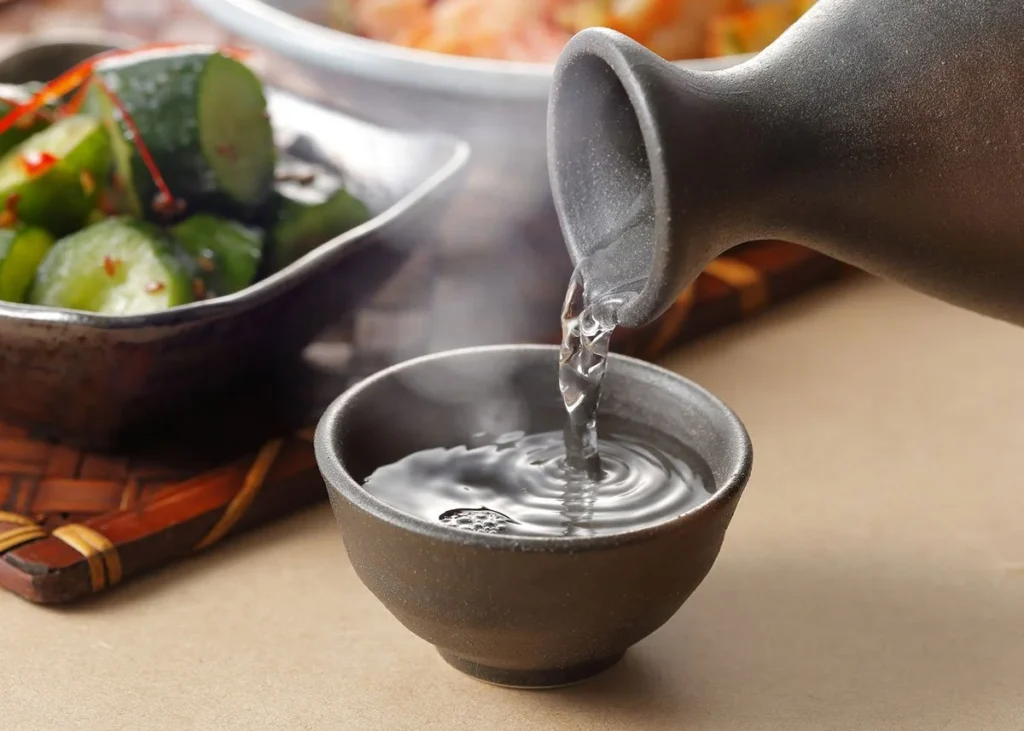
Hiya (cold, around 10°C) preserves acidity and delicacy. Nurukan (warm, around 40°C) rounds the body and brings out umami and depth. Atsukan (hot, around 50°C) is the classic piping-hot flask format—assertive, drying, and deeply traditional. Tobingashi (around 55°C, almost too hot to hold) is rarely encountered outside Japan but is considered by some brewers to be the ideal temperature for certain robust, earthy styles.
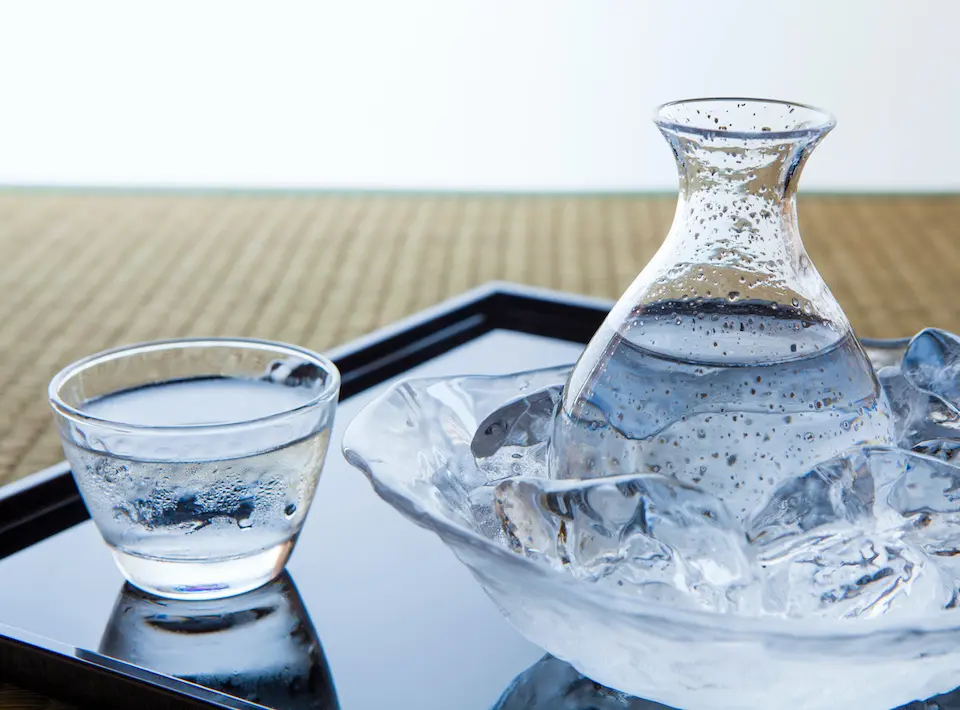
The practical takeaway: if you are ordering a Ginjo or Daiginjo, ask for it cold in a wine glass. If you are ordering a Junmai or Honjozo on a cool evening alongside a long meal, warm is both traditional and genuinely delicious. The best Japanese restaurants and sake bars will advise on temperature for each specific sake; take that advice seriously.
The Vessel: Does the Glass Matter?
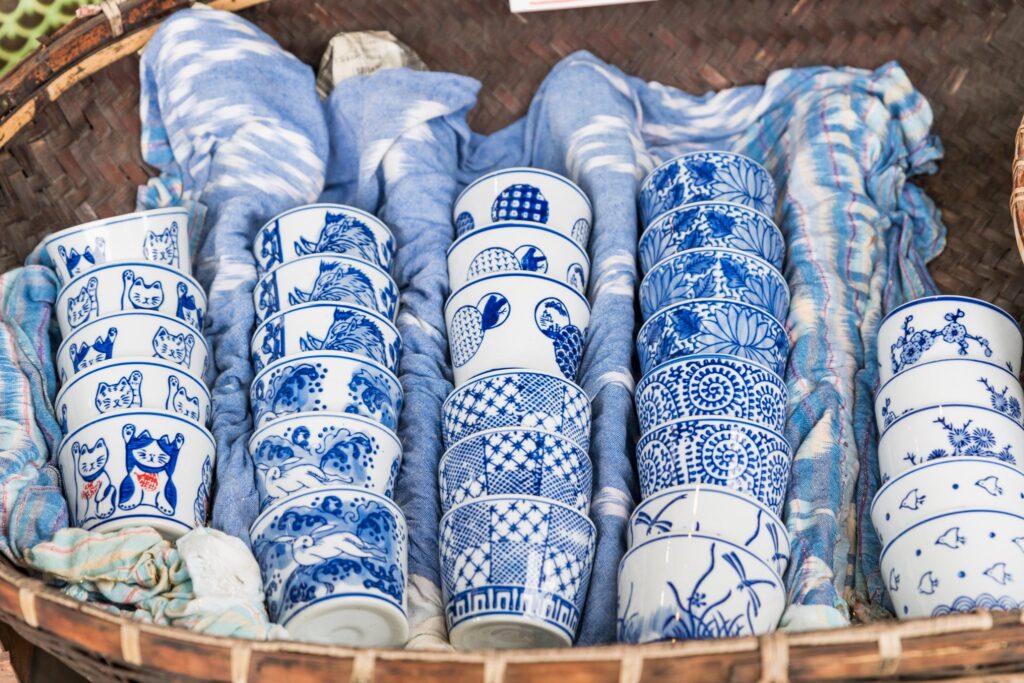
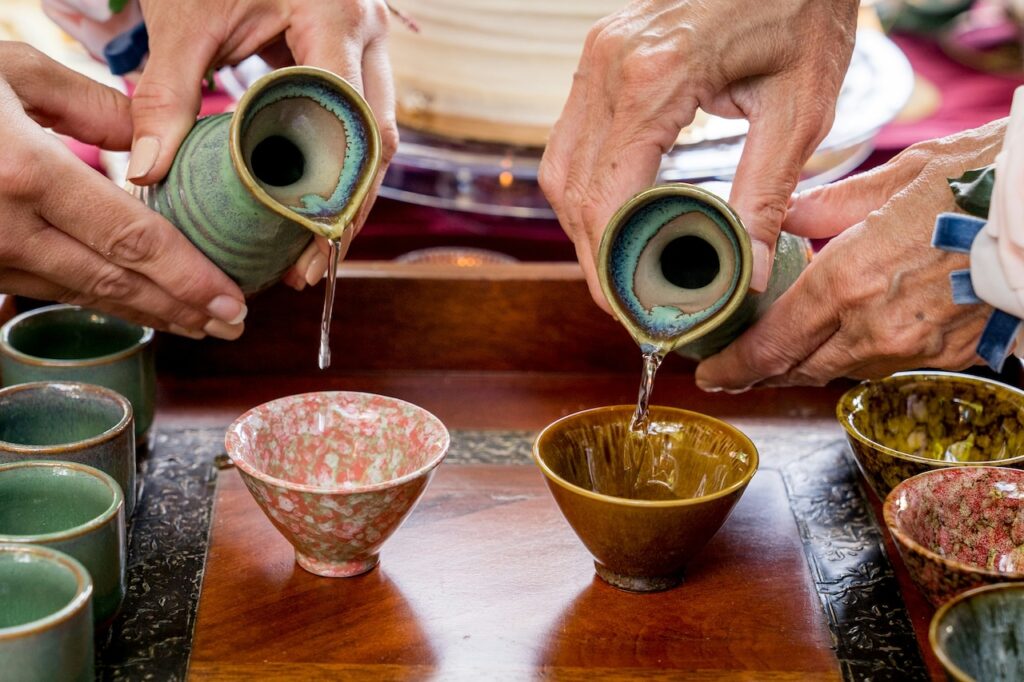
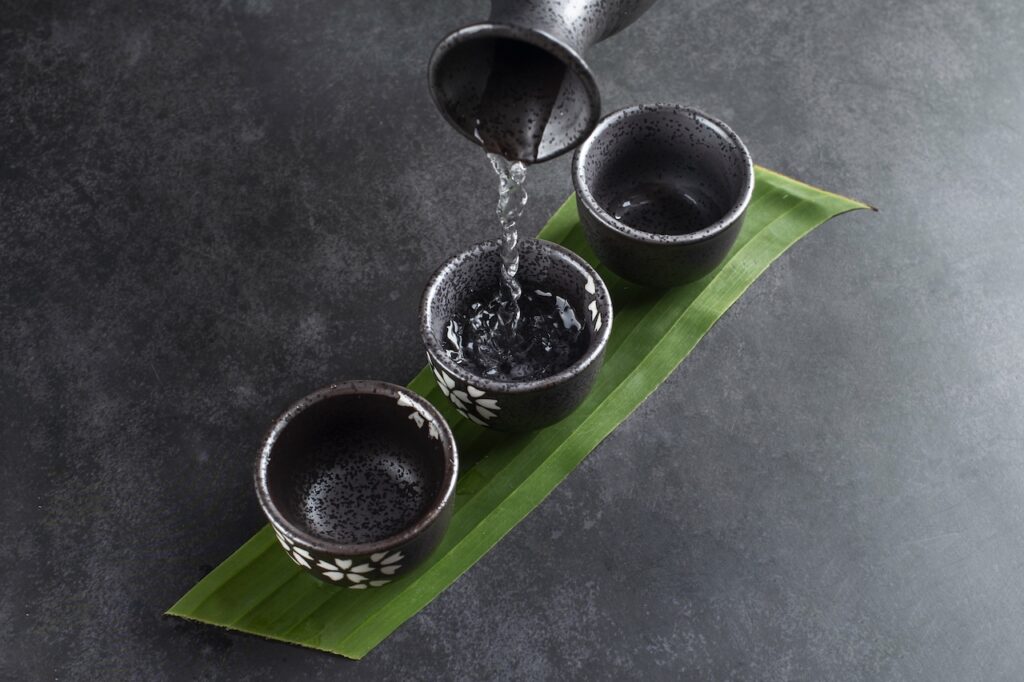
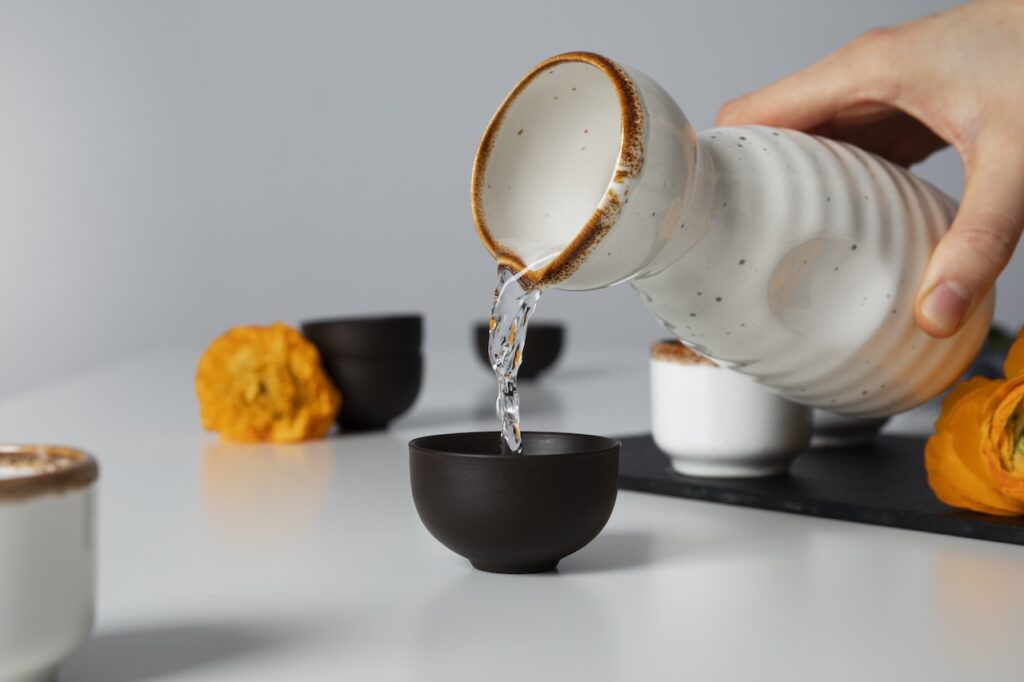
In traditional Japanese sake service, the spirit is served in small ceramic cups called ochoko, poured from a ceramic carafe called a tokkuri. This remains the correct vessel for warm sake and for traditional Junmai and Honjozo styles, and there is a tactile pleasure in the small-cup format—frequent pouring, shared ritual, and a natural pacing of consumption that is part of the drink’s culture.
For premium cold sake—Ginjo and above—don’t be shy about reaching for a wine glass, or specifically a small-to-medium white wine glass with a slightly narrowed rim. These concentrate the aromatics beautifully and allow the spirit to breathe in a way that a small flat ochoko cannot. Many serious sake restaurants in Tokyo and throughout Asia now serve their premium expressions this way, and the difference in aroma is quite distinctive.
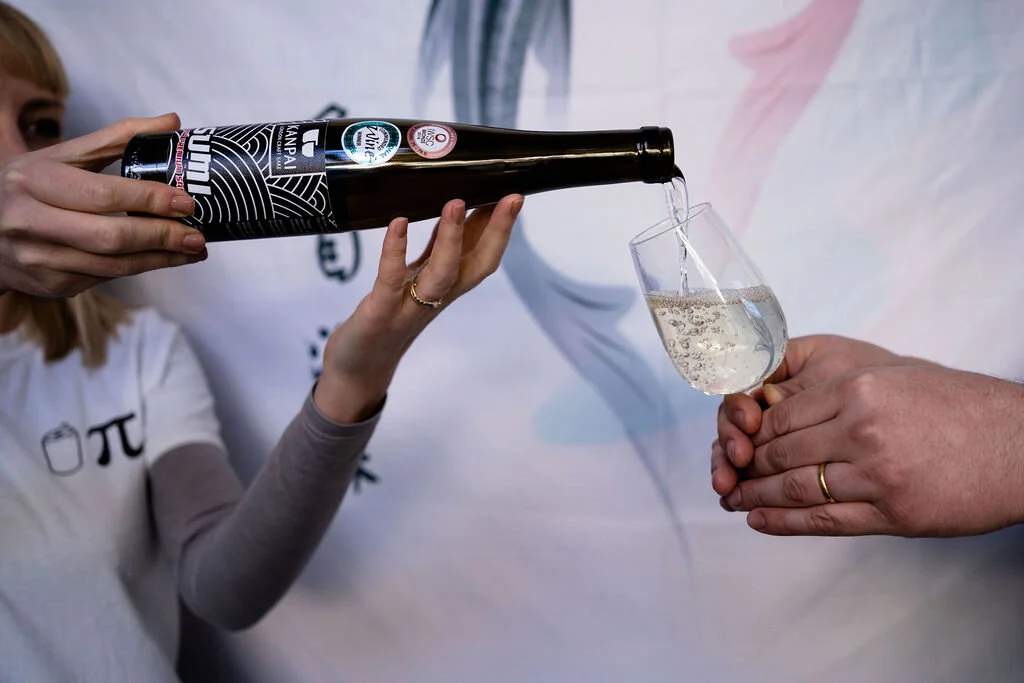
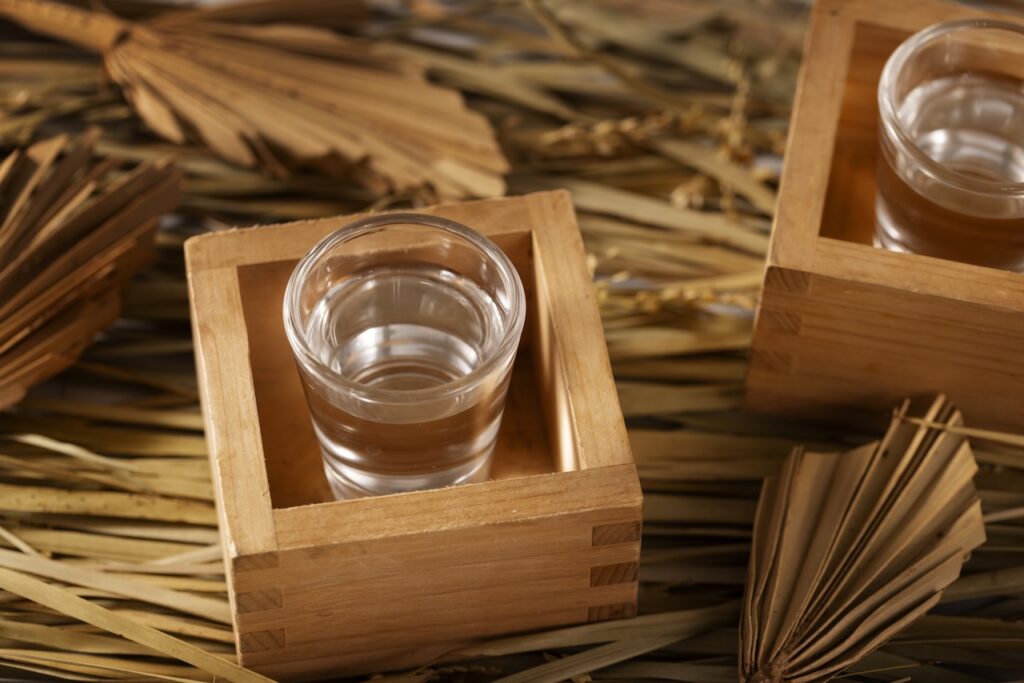
There is also the masu—a small square wooden box traditionally used to measure rice, and now often used to serve sake at festivals and traditional establishments. Sake poured in a masu takes on a faint cedar note from the wood, which is part of the experience. While it’s not the most analytical way to taste sake, it can be one of the most pleasurable. Order it at a matsuri stall or a traditional izakaya and drink it without overthinking.
Sake and Food: The Pairing Principles
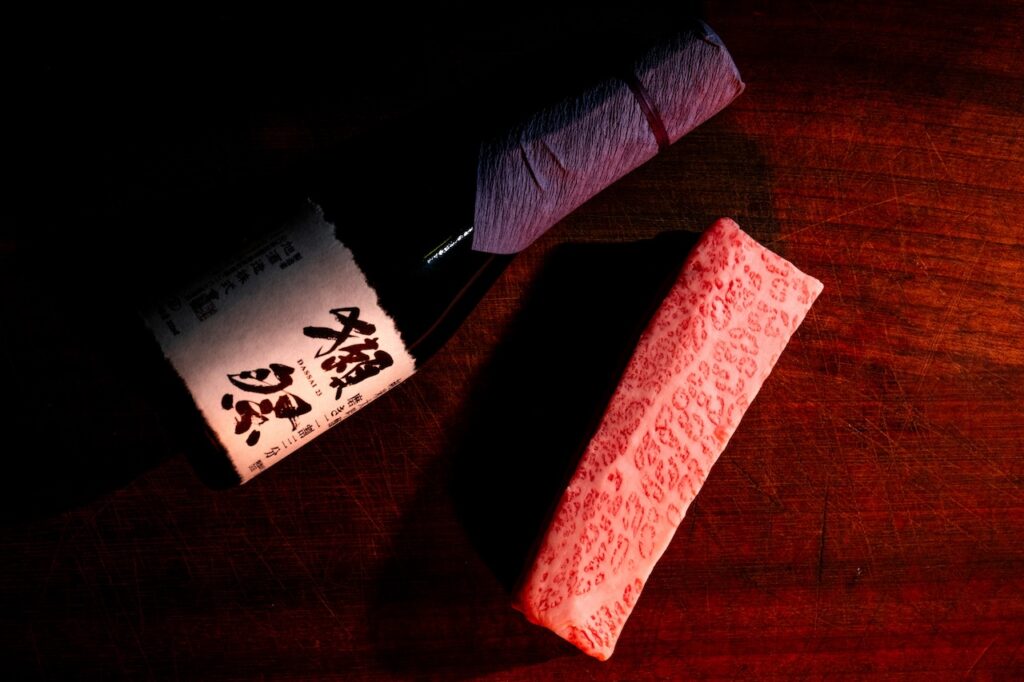
Sake is arguably the most food-friendly fermented drink in the world. This is not mere boosterism—it is structural. Sake contains no tannins (unlike red wine) and minimal sulfites, meaning it will not clash with the vast majority of dishes the way a tannic red wine might overwhelm delicate seafood or a high-acid white might fight with certain sauces. It also contains significant glutamic acid—the naturally occurring compound responsible for umami—which creates a synergy with umami-rich foods that is difficult to replicate.
The broad pairing principles work like this: delicate sake (Ginjo, Daiginjo) pairs best with delicate food—sashimi, oysters, lightly dressed salads, steamed fish. Richer, earthier sake (Junmai, Kimoto, Yamahai) pairs best with richer, more flavourful food—grilled meat, aged cheese, miso-marinated dishes, tempura. Nigori’s sweetness and texture make it a natural partner for spicy food—Thai, Indian, Sichuan—as well as creamy desserts and fresh fruit. Sparkling sake, like Champagne, works beautifully as an aperitivo or alongside lighter first courses.
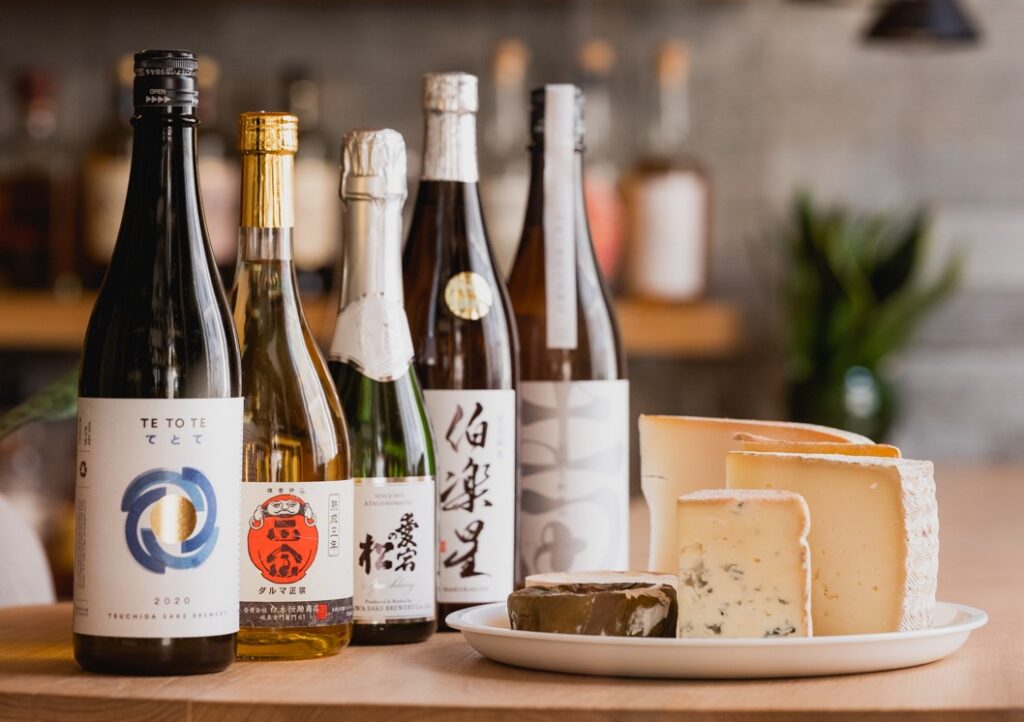
One specific pairing worth knowing (and it makes for a great conversation starter) is sake and cheese. This is not an obvious combination but it is a remarkable one. The absence of tannins means sake does not fight with dairy the way red wine so often does, and the umami synergy between aged sake and aged cheese—a Yamahai alongside a washed-rind cheese, or a Koshu with a mature Comté—can be genuinely revelatory. It is also an excellent dinner party move that very few people will see coming.
Sake and Japanese food is the obvious pairing, but don’t limit yourself. Sake alongside Spanish cured meats, Peruvian ceviche, or Italian risotto works extraordinarily well. The drink’s neutrality and umami depth make it more versatile across cuisines than almost any wine.
How to Order in a Restaurant: The Practical Part
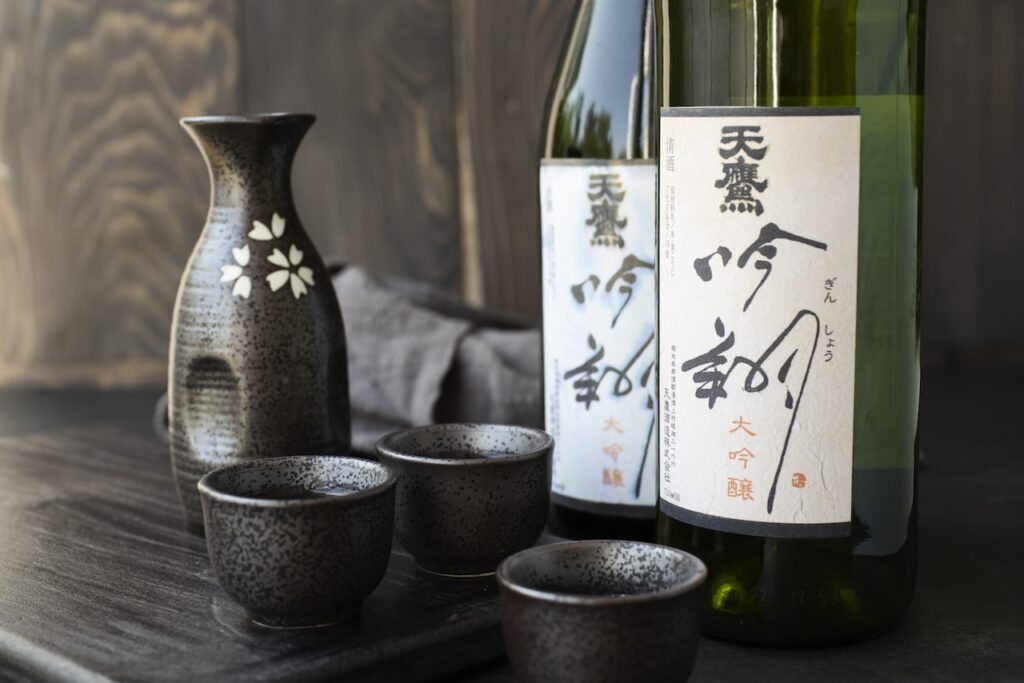
Walk into a good Japanese restaurant with a dedicated sake menu and the approach is straightforward: tell the server or sommelier what you’re eating, whether you prefer your sake cold or warm, and whether you want something light and fragrant or richer and earthier. Any competent sake program will have options across all of those parameters, and a well-trained server will guide you. This is the easiest and most reliable route.
If you want to order independently, the following framework covers most situations. For a celebratory opening drink or an aperitivo, ask for a sparkling sake or a chilled Junmai Daiginjo by the glass. For a long meal with multiple courses of Japanese food, a chilled Junmai Ginjo is the versatile workhorse—fragrant enough to be interesting, earthy enough to handle rich dishes. For something traditional alongside yakitori, grilled fish, or a simple izakaya menu, a warm Junmai or Honjozo is the honest and satisfying choice. For adventurous exploration, ask for whatever Kimoto or Yamahai is on the list.
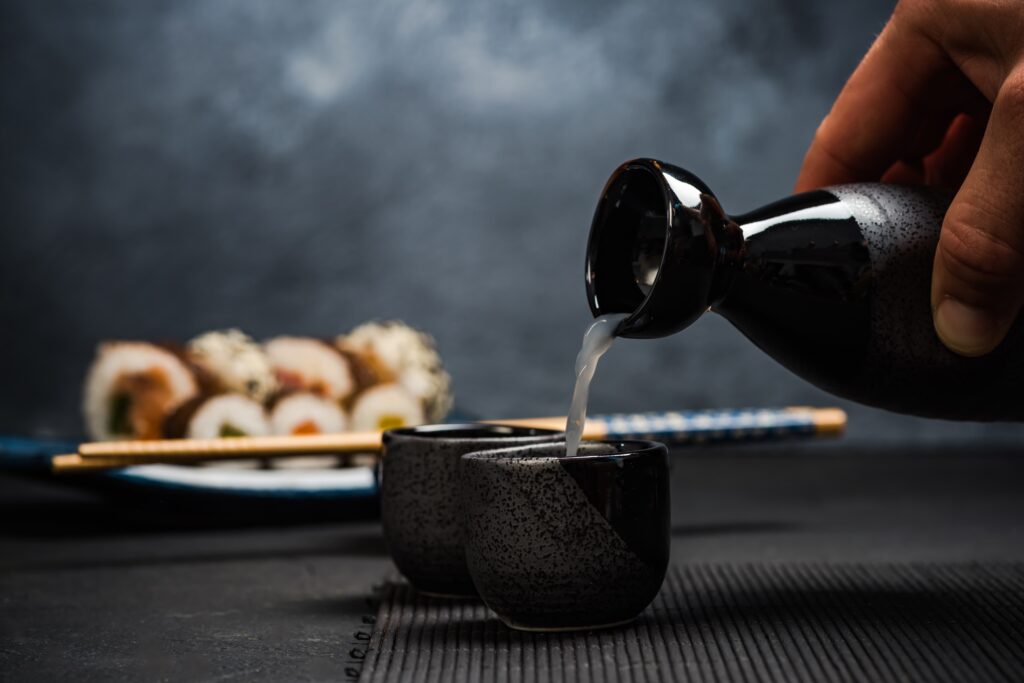
On quantities: sake is typically sold by the glass (usually 100–150ml), by the half-carafe (300ml), or by the bottle (720ml is the standard, though 1.8 litre bottles are common at casual establishments). At a serious sake bar, a flight of three or four small pours across different grades and styles is the best way to build your palate quickly. Order one, drink it attentively, then ask the server what it reminds them of or what would be the logical next step in either direction. This is how enthusiasts drink, and it is also an excellent way to spend an evening.
A Few Things Worth Remembering
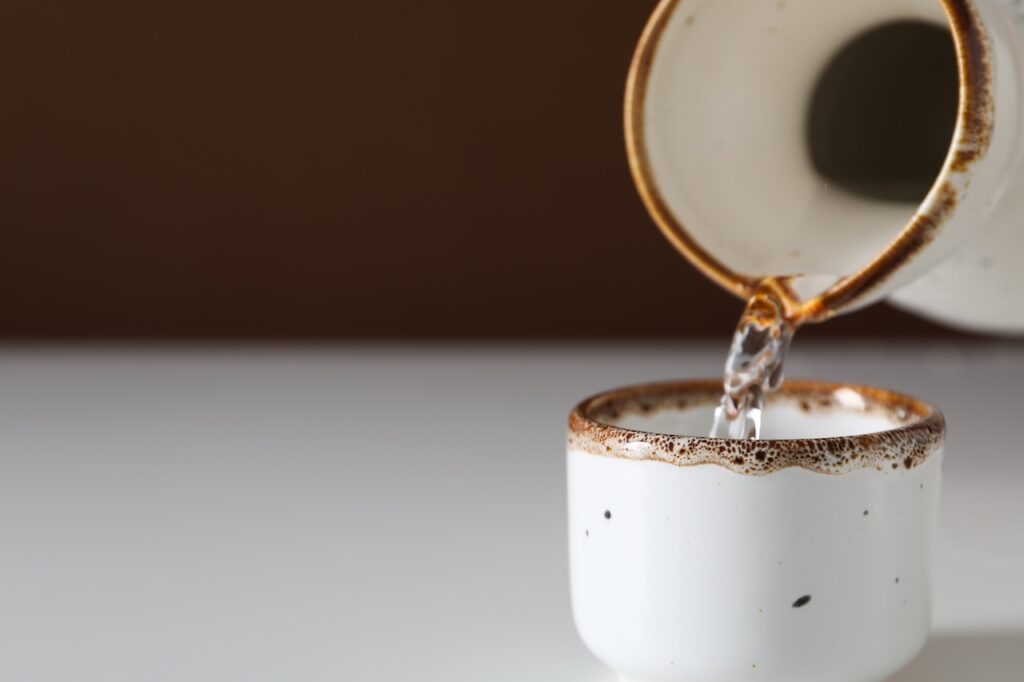
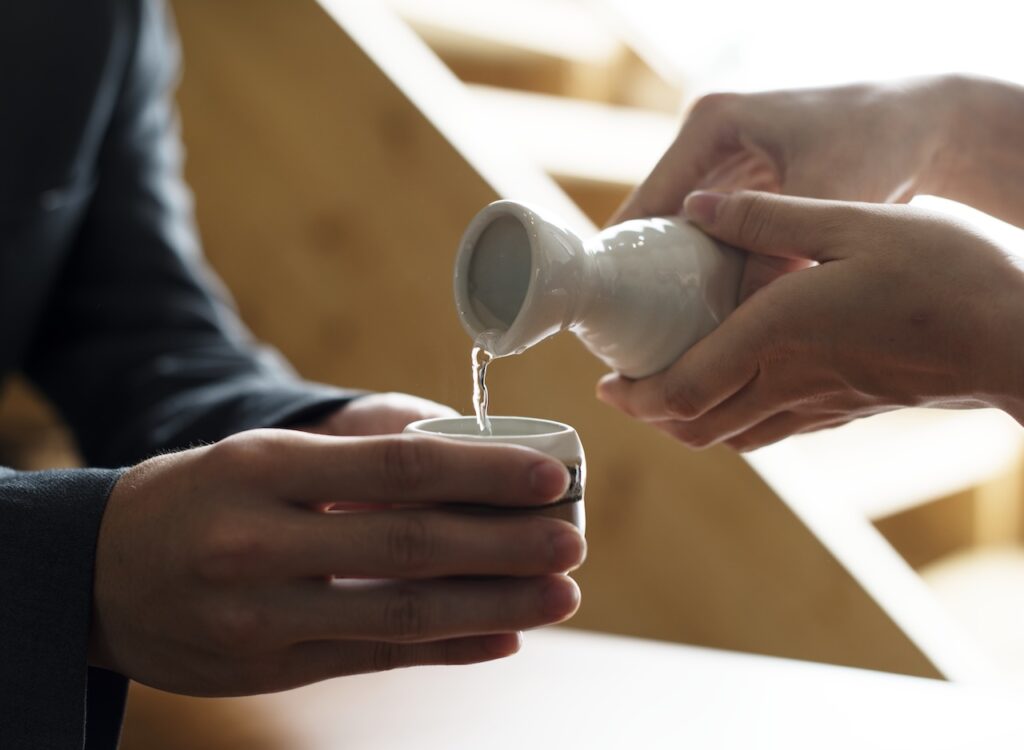
Sake etiquette in Japan is built on the concept of reciprocal pouring: you pour for others before pouring for yourself, and you keep an eye on your companions’ cups. Allowing your own cup to be empty is fine; allowing a guest’s to remain empty is the social misstep. This is not a rule you need to enforce rigidly outside Japan, but at a sake-focused dinner it adds a layer of ceremony that most guests will appreciate and remember.
Sake does not age well once opened. Unlike a Scotch or a cognac, an open bottle of sake—particularly Ginjo or Daiginjo—will begin to lose its delicate aromatics within a few days, even refrigerated. Junmai styles are somewhat more robust, and Koshu is the exception that actually benefits from further ageing. But as a general rule, if you open a bottle, intend to finish it within two to three days. Buy smaller formats (300ml) if you’re drinking alone.
Finally, the hangover mythology. Sake has a reputation—particularly in Southeast Asia—for producing less severe hangovers than wine or spirits. This is partially explained by its lower congener content (the chemical byproducts of fermentation that contribute to hangover severity) and minimal sulfites. It is not, however, an argument for drinking twice as much of it. Sake at 15–16% ABV is meaningfully strong. The pleasantness of the drinking experience can occasionally obscure this fact until the morning makes it clear. Drink well, drink attentively, and drink enough water.
Sake rewards the curious. It is a drink that has been refined over centuries by brewers who take their craft with the same seriousness as any great winemaker—and it is a drink that sits alongside food with a generosity and versatility that few fermented drinks can match. The grade system is not intimidating once you understand it; the temperature question is not complicated once you know the principle.
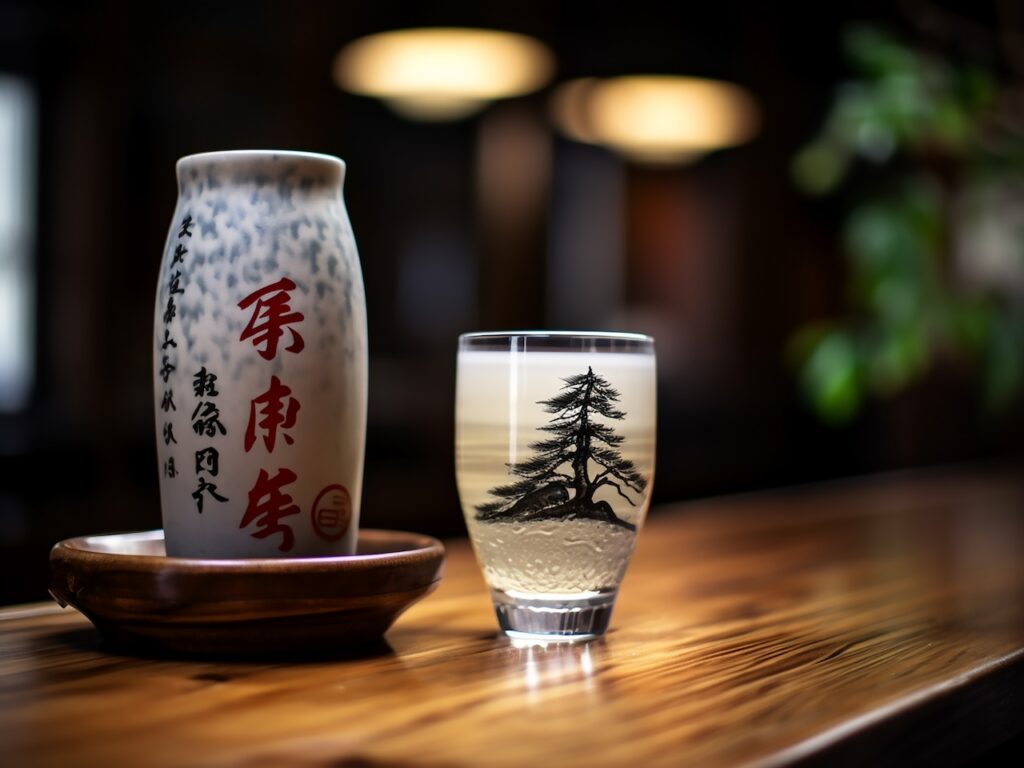
And the moment you order a chilled Junmai Daiginjo in a wine glass alongside a plate of otoro and the whole thing lands exactly right—that is the moment you understand why the Japanese have been drinking this for over a thousand years.