

With 35 million players, 77,000 courts in 150 countries, padel is no longer a trend — it’s a global takeover. But what is it, who’s it for, and should you be playing?
Let’s say you’ve been hearing the word “padel” a lot lately. At the gym. On holiday. From that guy in the office who now won’t shut up about his backhand. And maybe you’ve been half-curious, half-sceptical — wondering whether it’s a genuine sport or just another fitness fad that’ll be forgotten by the time you’ve bought the racket.
Here’s the short answer: padel is the real deal. The longer answer is everything that follows.
What Exactly Is Padel?
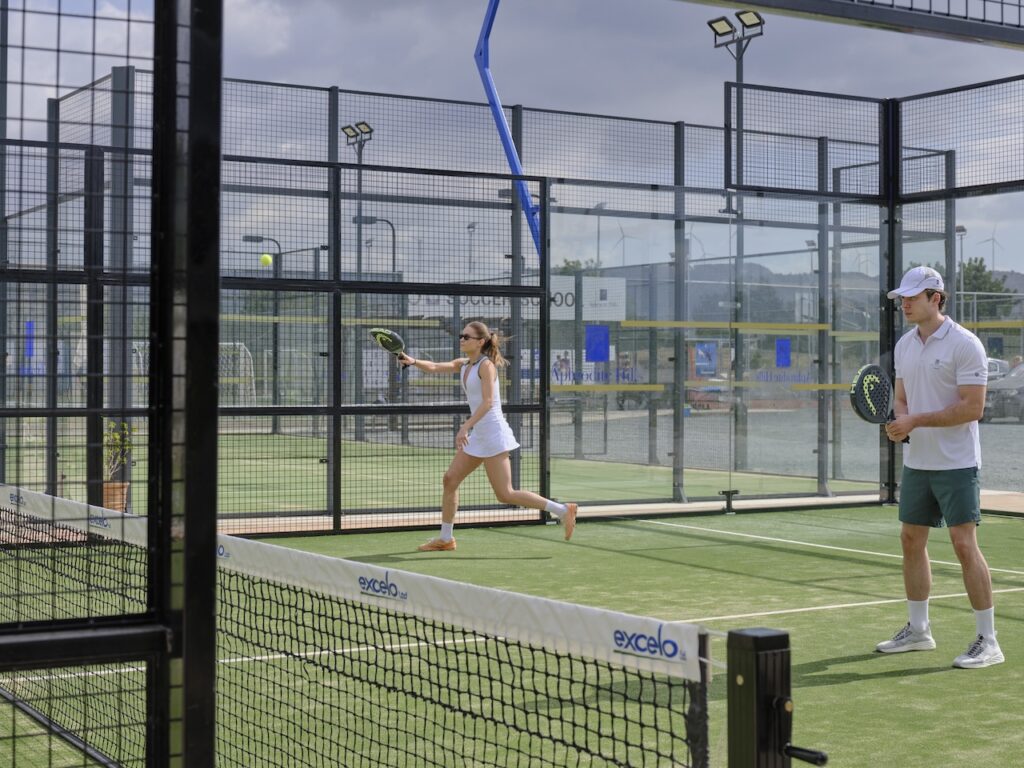
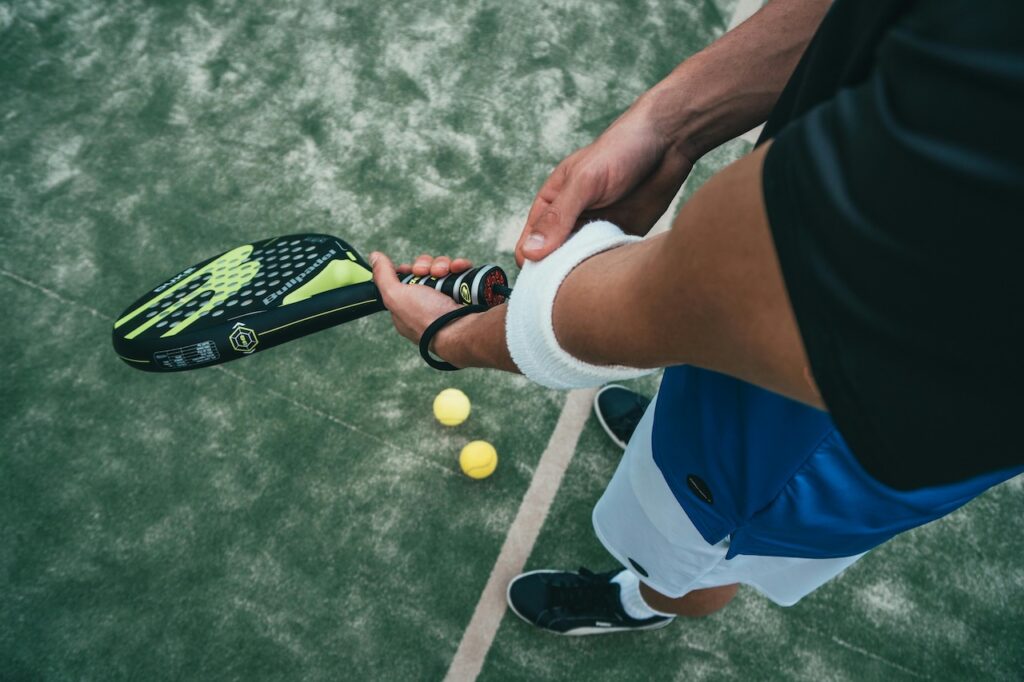
Padel is a racket sport played on an enclosed court roughly a third the size of a tennis court, surrounded by glass walls and metal mesh. It’s always played in doubles. The ball can bounce off the walls — like squash — which keeps rallies alive longer and makes the game far more accessible to beginners than tennis. You serve underarm, the court is smaller, and the glass walls mean even mis-hit shots tend to stay in play.
The result is a sport that’s easy to start, fast to get addicted to, and surprisingly deep once you progress. Points are won through angles, placement and net play rather than raw power — which means a 25-year-old ex-rugby player and a 50-year-old who’s never played a racket sport in his life can share a court and have a genuinely competitive game.
The Numbers Don’t Lie
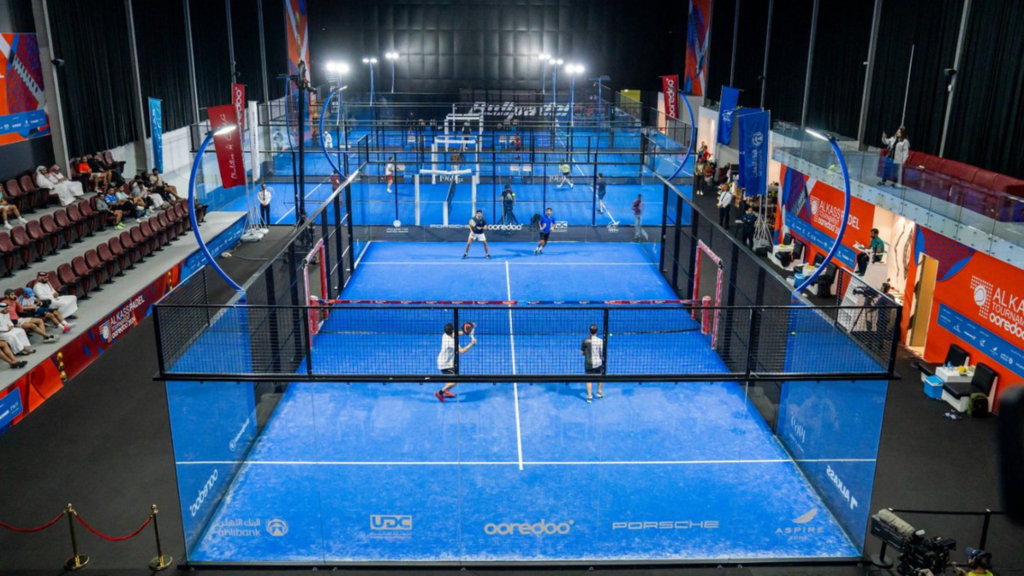
If you want to understand how serious padel’s global rise has become, start with the data. According to the FIP World Padel Report 2025, there are now over 35 million padel players worldwide, with a 16.1% increase in clubs, a 15.2% rise in courts, and a 42% growth in members registered with national federations compared to last year.
The number of padel clubs globally surpassed 24,600, with 14,355 courts built in 2025 alone, bringing the worldwide total to 77,300, spread across 150 nations. To put that in context: in 2014, the World Padel Tour estimated roughly 12 million players globally. The sport has essentially tripled its player base in a decade.
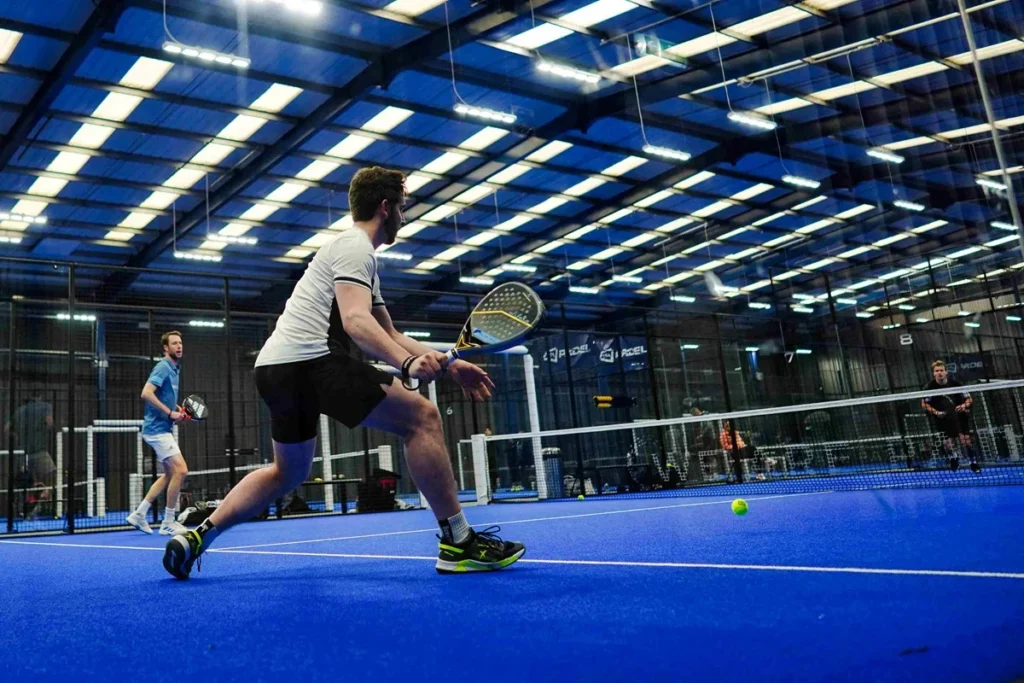
The growth story is equally compelling at a country level. Spain, where padel surveys show it is now the second most popular participation sport behind football, remains the global heartland. But newer markets are moving fast. In the UK, the LTA reported that 860,000 adults and juniors played padel at least once in 2025 — more than double the 400,000 figure from 2024, and a transformation from just 15,000 players in 2019. The country reached 1,553 courts across 559 venues by end of 2025, having hit the 1,000-court milestone a full year ahead of target.
In the United States, the sport is still young but accelerating fast, with major cities like Miami, Dallas, and Los Angeles leading the way. And in Southeast Asia, places like Bali have become unexpected padel hotspots, with world-class facilities drawing players from across the globe.
One of the most telling statistics comes from Playtomic, the world’s largest racket sport booking platform: a 92% player return rate after a first session — an exceptionally high retention figure that helps explain padel’s viral growth dynamic. People try it once, and they come back. Almost everyone.
Why Is It Growing So Fast?
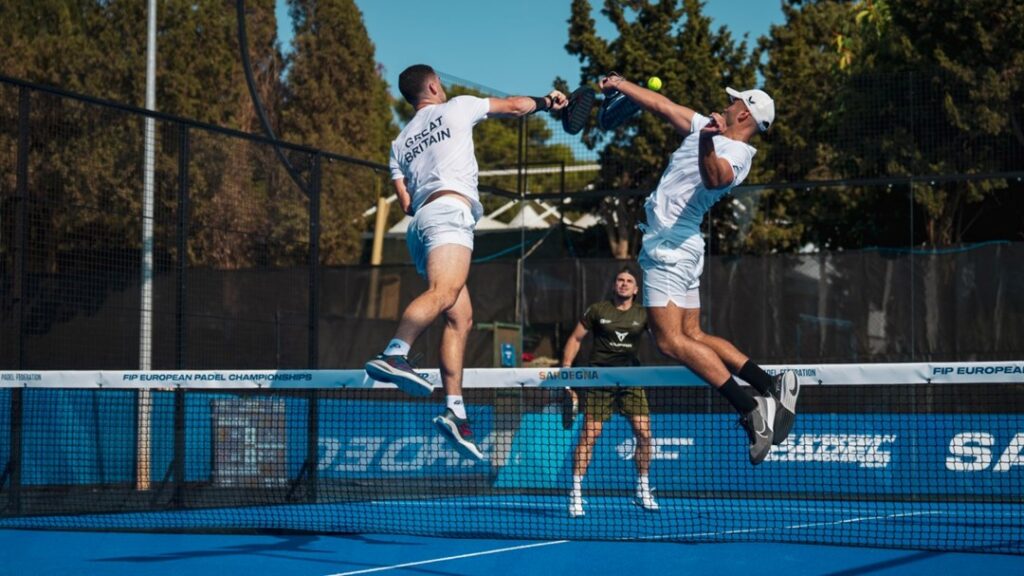
The reasons for padel’s rise are both sporting and social — and the social side might actually be more important.
Unlike tennis, which can be a lonely, frustrating experience for beginners, padel is inherently communal. You always play with three other people. The smaller court and glass walls create longer rallies from day one, which means more fun in your first session than most sports offer after months of practice. You don’t need to be athletic, coordinated, or young. You just need to show up.
The format also lends itself to the kind of social infrastructure that thrives in modern sports culture. Americano tournaments — where partners rotate throughout — mean you meet everyone at the club. Open mix sessions, WhatsApp leagues, and social ladders have become padel’s calling card. It is, at its core, a sport built for connection.
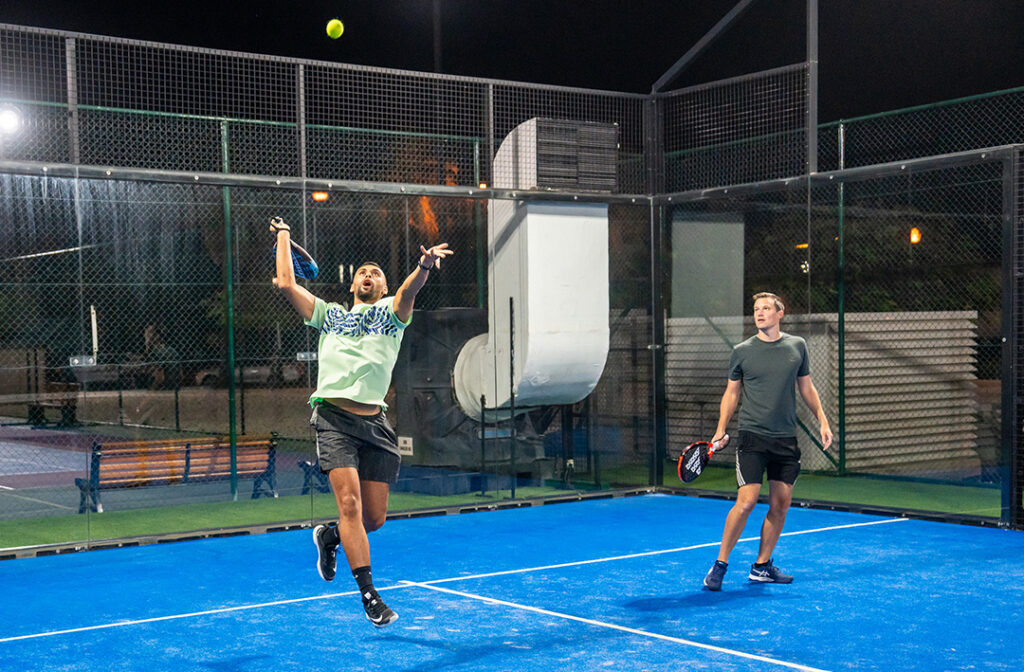
Female participation has increased to about 49% of new players, reflecting genuine gender diversification — and the FIP reports a 60/40 male-to-female split among players overall, making padel one of the most gender-inclusive racket sports in the world. That balance matters. It means the social scene around padel is genuinely mixed, which in turn makes it more appealing to a wider audience.
Who Is Padel Actually For?
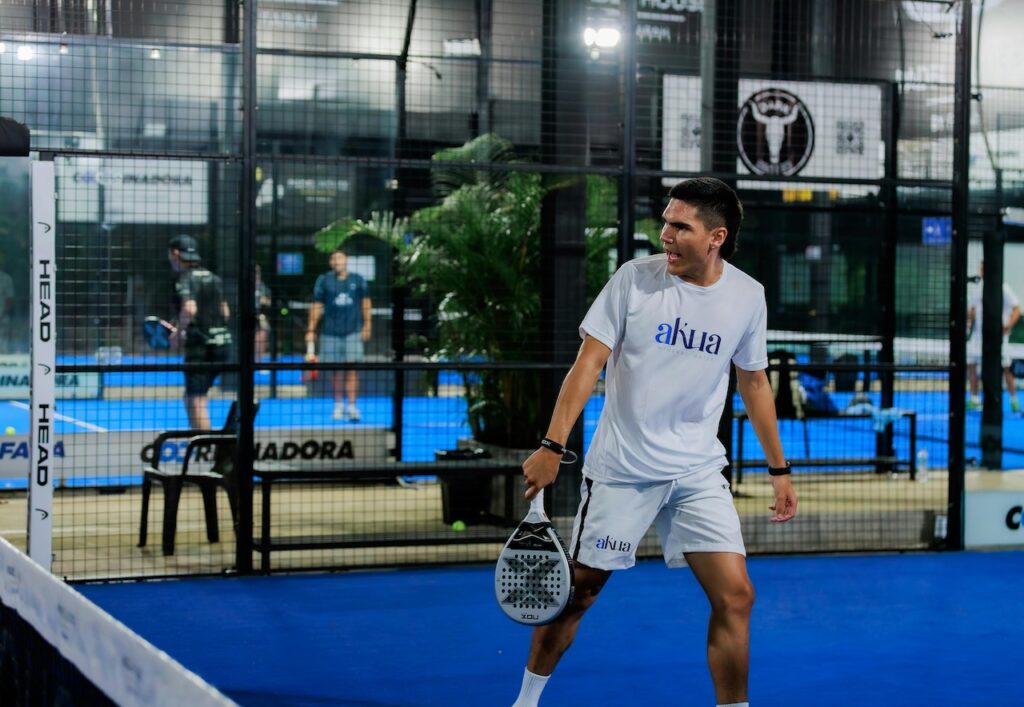
The honest answer is: almost anyone. But let’s be more specific.
Former tennis players who’ve let the game slide will find padel a natural second home — familiar enough to feel comfortable, different enough to be exciting. The tactical elements of net play and angle creation will feel immediately recognisable; the glass walls will mess with your head until they don’t.
Gym-trained men in their 30s and 40s who want a sport that rewards athleticism but doesn’t require elite technique will find padel genuinely satisfying. You can use your fitness advantage without years of groundstroke practice. The sport rewards explosive movement, anticipation and quick hands — things you likely already have.
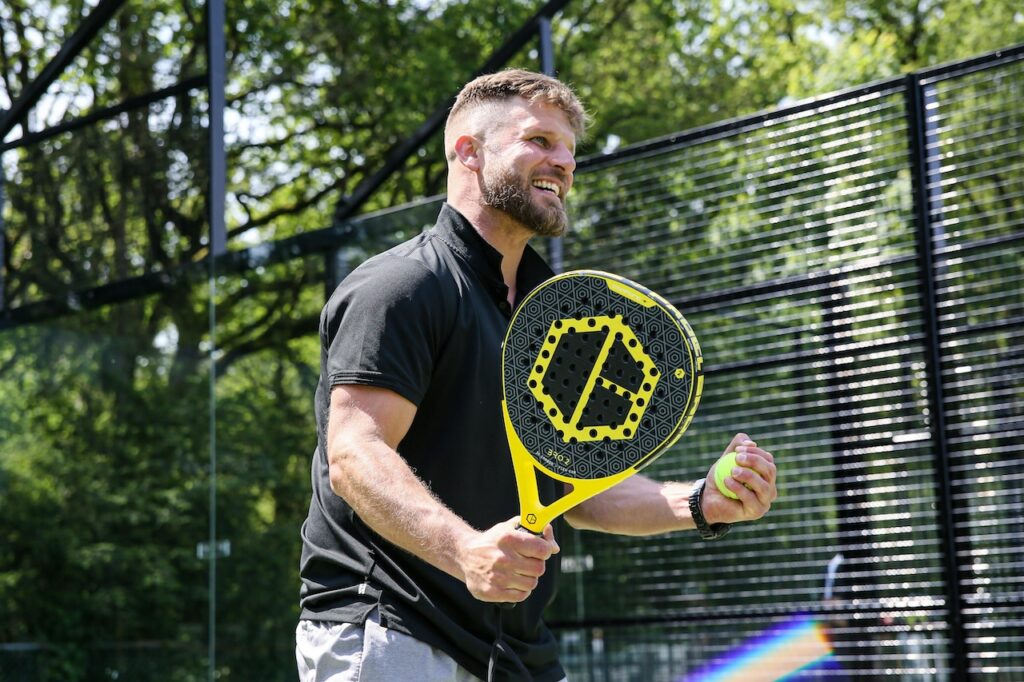
Complete beginners with no racket sports background are equally welcome. The underarm serve removes one of tennis’s biggest barriers to entry, rallies last longer, and the doubles format means you’re never alone on court and never solely responsible for losing a point. Most people have a genuinely enjoyable first session.
Travellers and digital nomads will find padel increasingly easy to access anywhere in the world — from London to Dubai, Lisbon to Bali, Buenos Aires to Bangkok. Book through Playtomic, show up, find a game. The community travels with the sport.
Competitive types who want more than a casual hit will find plenty to chase. Organised leagues, Americano circuits, club tournaments and national federations exist in most countries where the sport has taken root. FIP-organised tournaments grew from 182 in 2024 to 290 in 2025, involving over 11,000 athletes in professional and junior rankings. The pathway from social player to competitive amateur is well established.

The dating scene surrounding padel (especially in places like Bali) can’t be understated. With regular mixers, social events and tournaments, padel is a socially connective sport and many clubs also have wellness spaces and even bars and restaurants, bolstering the connections you can make on and off the court.
What Do You Actually Need to Get Started?
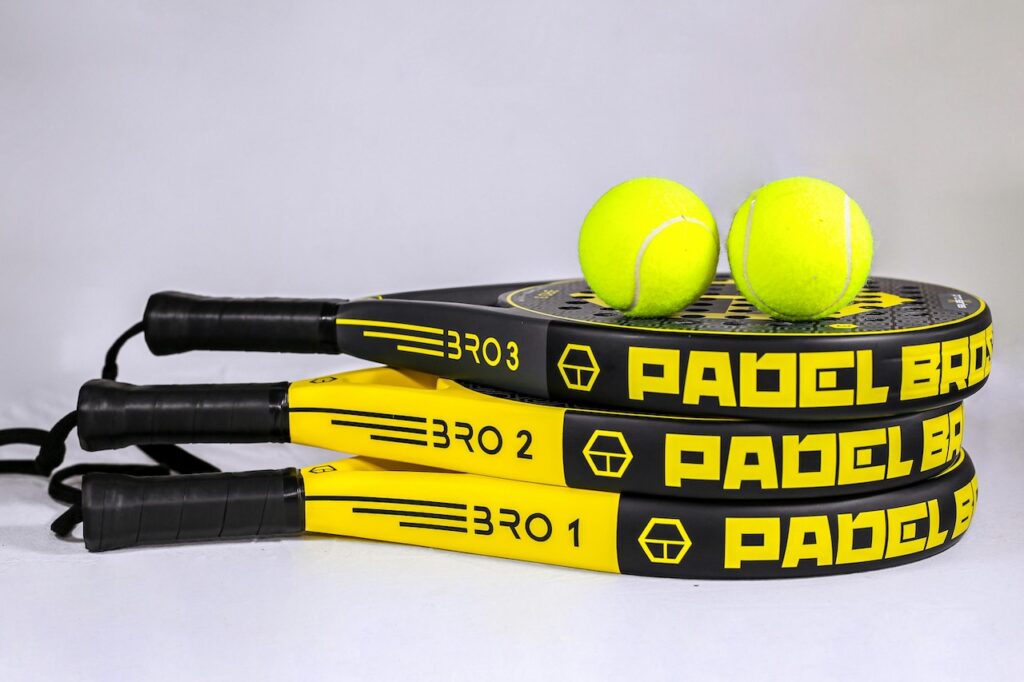
Not much. Most clubs rent rackets for a few pounds or dollars, and standard sports kit is fine — though proper padel shoes (with a herringbone sole for grip on the artificial turf) are worth investing in fairly quickly. A session typically costs between £15–£30 depending on location and time of day, which puts it broadly in line with a gym class.
Find a club on Playtomic or Google, book a beginner session or open mix, and go. The learning curve is gentle, the community is welcoming, and — as that 92% return rate confirms — almost everyone who tries it once wants to come back.
The Verdict
Padel isn’t right for you if you’re looking for a solo sport, hate doubles formats, or think any sport that doesn’t involve suffering should be taken less seriously. For everyone else — and that’s a very large group — it’s one of the most enjoyable, social, and accessible sports on the planet right now.
The world has already figured this out. Thirty-five million players can’t be wrong.