

If you’re a lad that enjoys a dram, these leading whisky distilleries combine exceptional whisky tastings, acclaimed restaurants and atmospheric cellar doors that bring Scotland’s iconic spirit to life.
Scotland’s whisky trail isn’t just about sipping a dram in a quiet bar. For many travellers, the real magic happens when you step inside a working distillery, smell the barley steeping, watch copper stills gleam under skylights, and then sit down to a meal or a carefully guided tasting that tells the story of the land itself.
In 2026, more distilleries than ever are opening their doors wider than before, offering everything from hands-on warehouse tastings straight from the cask to Michelin-starred restaurants and private cellar experiences that feel like stepping into a secret club for whisky lovers.
Whether you’re a curious first-timer who just wants to understand why one dram tastes of honey and smoke while another whispers of seaweed and peat, or a seasoned collector hunting rare cask-strength expressions, these places turn a simple tour into something far more memorable. I’ve walked the floors of dozens of them over the years, and the ones that stand out are those where the hospitality matches the liquid in the glass.
Here are the standouts that deliver genuine interaction—restaurants, group and private tastings, cellar doors—plus practical advice so you can plan a trip that doesn’t leave you rushing between locked gates.
Speyside: The Heartland Where Elegance Meets Tradition
Speyside is home to more than half of Scotland’s distilleries, and many have invested heavily in visitor experiences that go well beyond the standard tour. This gentle, fertile valley produces some of the world’s most approachable single malts—often fruity, nutty and honeyed—but the best visits here let you linger over lunch or a fireside tasting long after the guide has finished speaking.
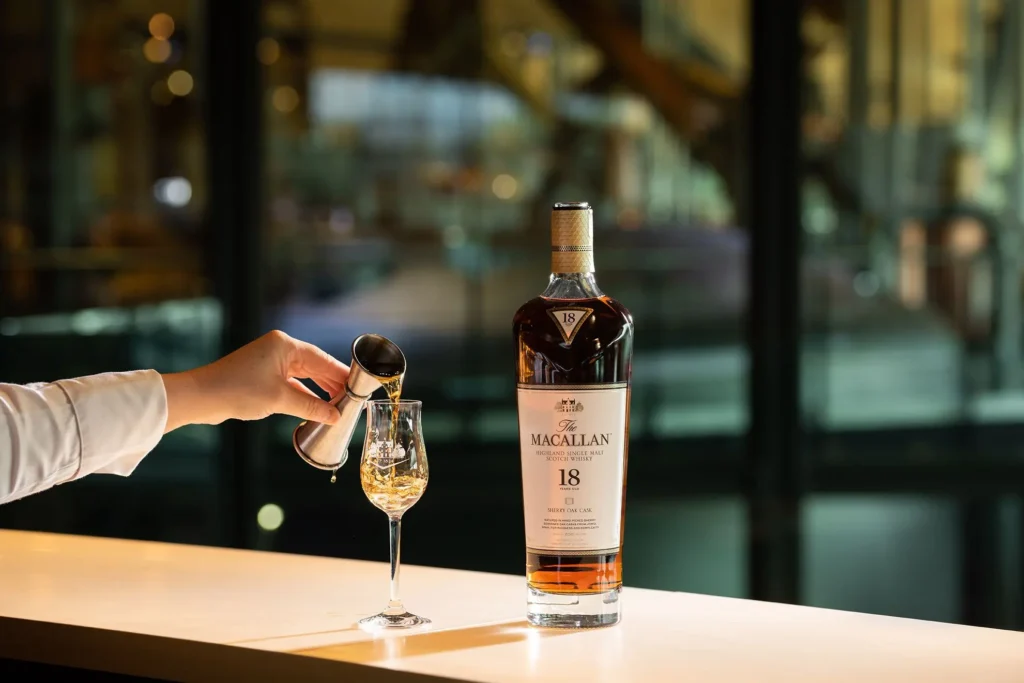
The Macallan Estate tops almost every list for good reason. The US$188 million visitor centre, with its undulating grass roof blending into the hills, feels like a modern cathedral to whisky. Book well ahead for the TimeSpirit Dining Experience, a collaboration with the legendary El Celler de Can Roca team. Expect multi-course menus built around Scottish ingredients—think langoustines from the west coast paired with The Macallan’s sherry-seasoned classics—served in a glass-walled dining room overlooking the estate.
After lunch you can move to the Macallan Bar for the largest collection of their whiskies anywhere on earth, or join the 200 Years Young tour that ends with a private tasting in the Cave Privée cellar. It’s polished, theatrical and utterly unforgettable, but every slot books months out—plan your 2026 dates early.
Just down the road, Glenfiddich still feels like the friendly giant of the region. The distillery pioneered visitor programmes decades ago and keeps evolving. You can join the standard tour and then head straight to the on-site restaurant for hearty Scottish fare—venison pie, local cheeses and, of course, plenty of drams to match.
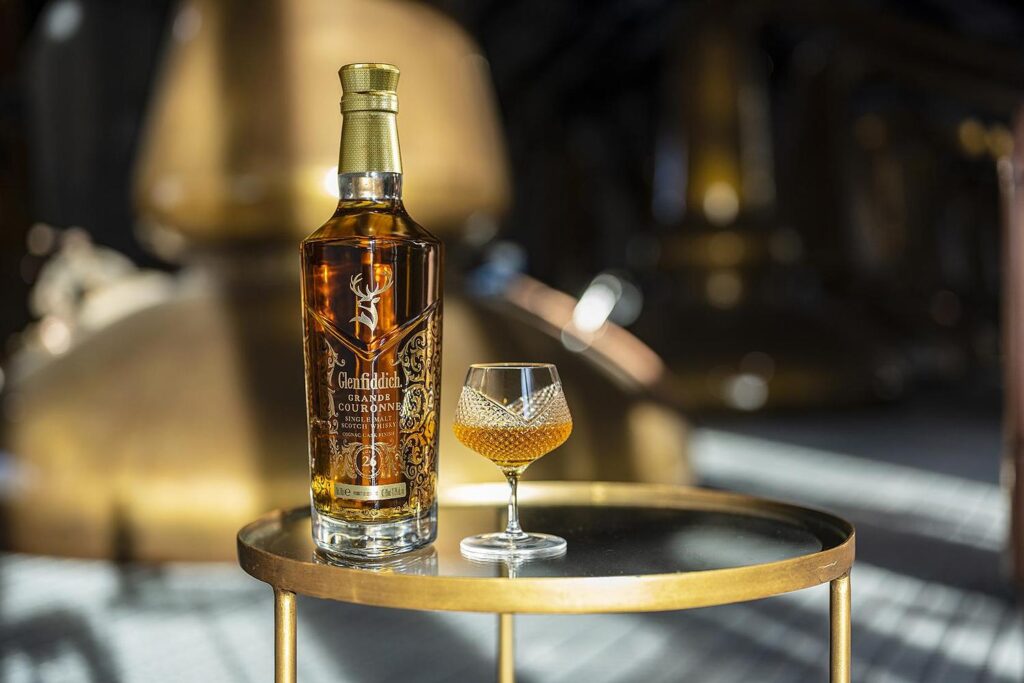
For something more intimate, their private warehouse tastings let small groups draw straight from the cask under the guidance of a master blender. The atmosphere is warm rather than corporate, and the gift shop is one of the best for picking up bottles you won’t find at home.
The Glenlivet offers a slick, modern contrast. Their new visitor centre lets you fill your own bottle from a chosen cask—an experience that makes the whisky feel truly personal. Pair that with one of their Legacy Tasting sessions, where older expressions are opened alongside current releases, and you begin to understand how time in oak changes everything. The surrounding smugglers’ trails add an outdoor element; many visitors combine a morning tour with a picnic lunch among the hills before heading back for afternoon tastings.
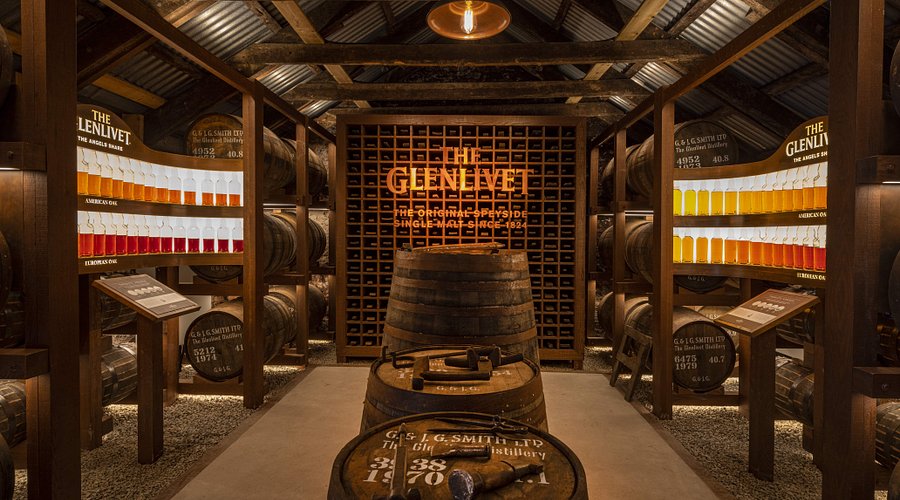
Further east, The Glenturret (technically just outside classic Speyside but often included on trail itineraries) is Scotland’s oldest working distillery and now home to one of the country’s most ambitious dining experiences. The Lalique Restaurant earned two Michelin stars for its tasting menus that weave whisky into every course—sometimes as an ingredient, sometimes as the perfect pairing.
Sit at one of the six tables and you’ll feel the centuries of history while enjoying food that matches the refinement of the liquid. Tours are small and personal, and the on-site Lalique bar is perfect for a post-meal dram overlooking the river.
Islay: Peat, Sea Air and Unforgettable Hospitality
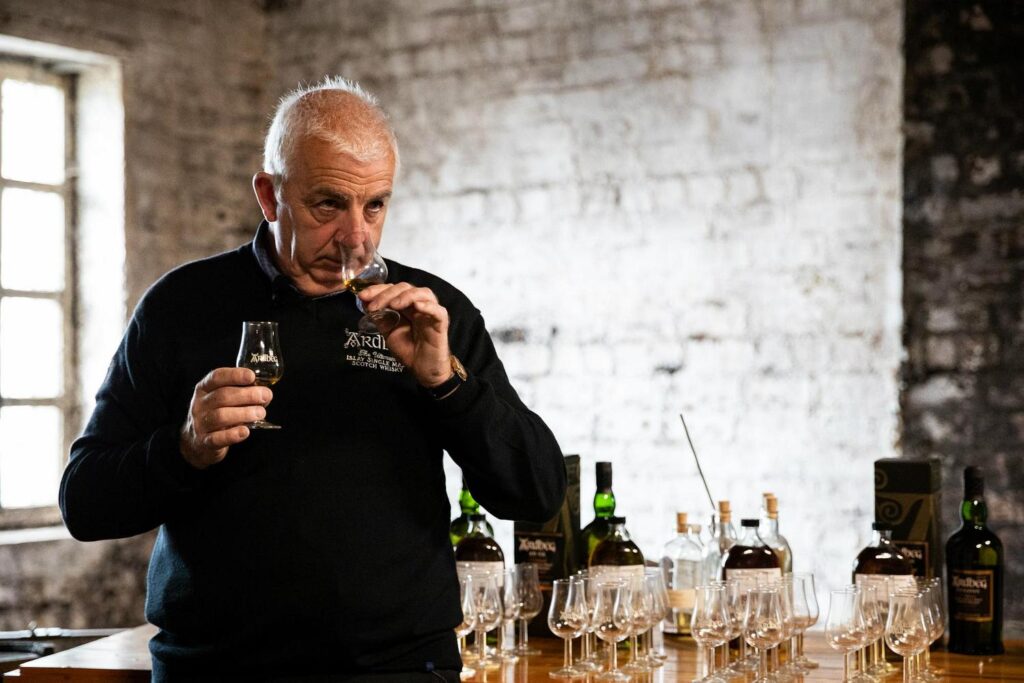
Cross to the west coast and the mood shifts dramatically. Islay’s distilleries sit right on the edge of the Atlantic, where the wind carries salt and smoke. The whiskies here are bolder, often fiercely peaty, but the welcome is just as warm—and many places now pair those intense flavours with proper food and cellar experiences that linger in the memory.
Ardbeg has always felt like the beating heart of Islay hospitality. The Old Kiln Café serves proper lunches—smoked haddock chowder, local lamb, and warm scones—right beside the still house, so you can smell the peat while you eat. For something more elevated, book into Ardbeg House’s Signature Restaurant for tasting menus that celebrate the island’s seafood and pair each course with different Ardbeg expressions.
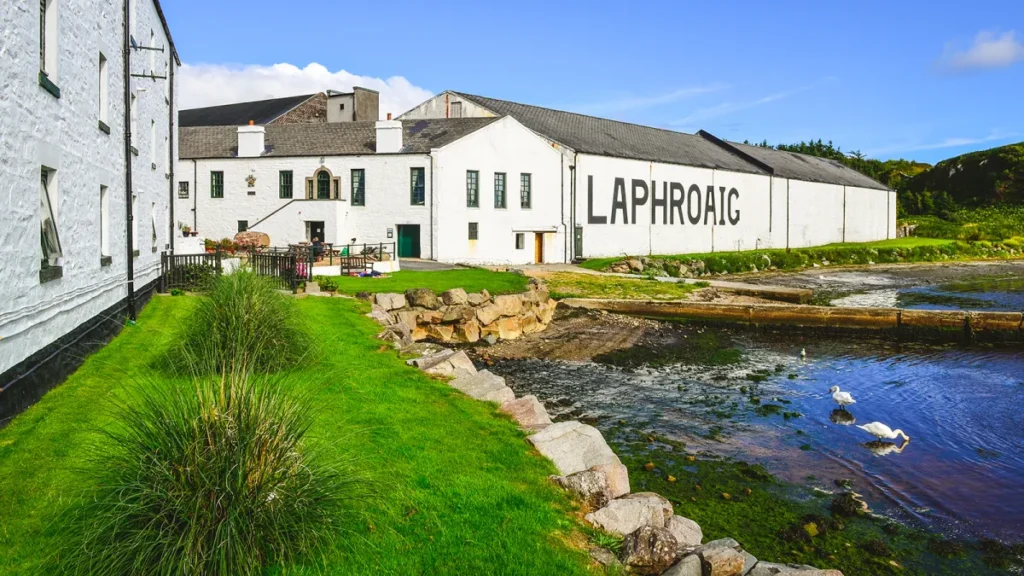
Warehouse tastings here are legendary; small groups gather among the casks for flights that can include rare, cask-strength bottlings you’ll never find elsewhere. The distillery’s peat-rich paradox—smoky yet surprisingly fruity—comes alive when tasted on site.
Bruichladdich offers a completely different but equally compelling take. This progressive, community-focused distillery produces everything from heavily peated Octomore to delicate, unpeated classics and even The Botanist gin. Their warehouse tastings are relaxed and informative, often led by people who grew up on the island. You’ll draw samples straight from the cask, learn about their farm-to-bottle ethos, and leave with a far deeper understanding of terroir than any tasting note on a bottle could provide. The on-site shop and café make it easy to linger, and many visitors combine it with a coastal walk along the shore just metres away.
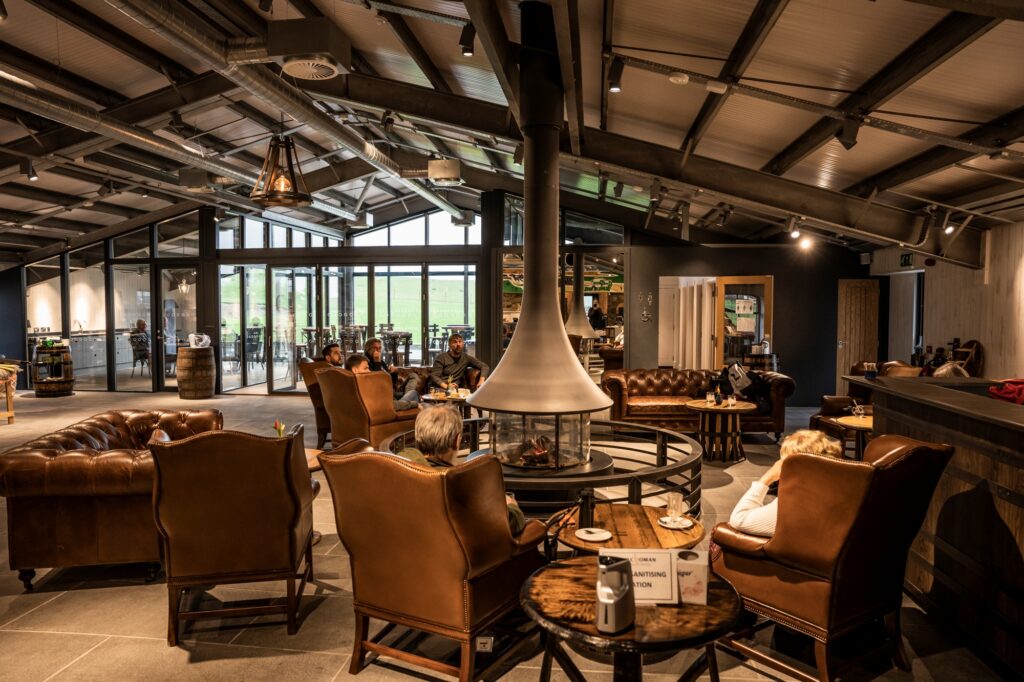
Laphroaig is the one many return to year after year. Their “Water to Whisky” experience is hands-on in the best way—you get involved in the process and finish with a tasting that explains exactly why this whisky tastes of seaweed and bonfire. The distillery’s café does simple, excellent lunches, and private cellar tastings let you explore older and rarer expressions in a quiet, intimate setting. It’s the kind of place where the staff remember your name and the stories flow as freely as the whisky.
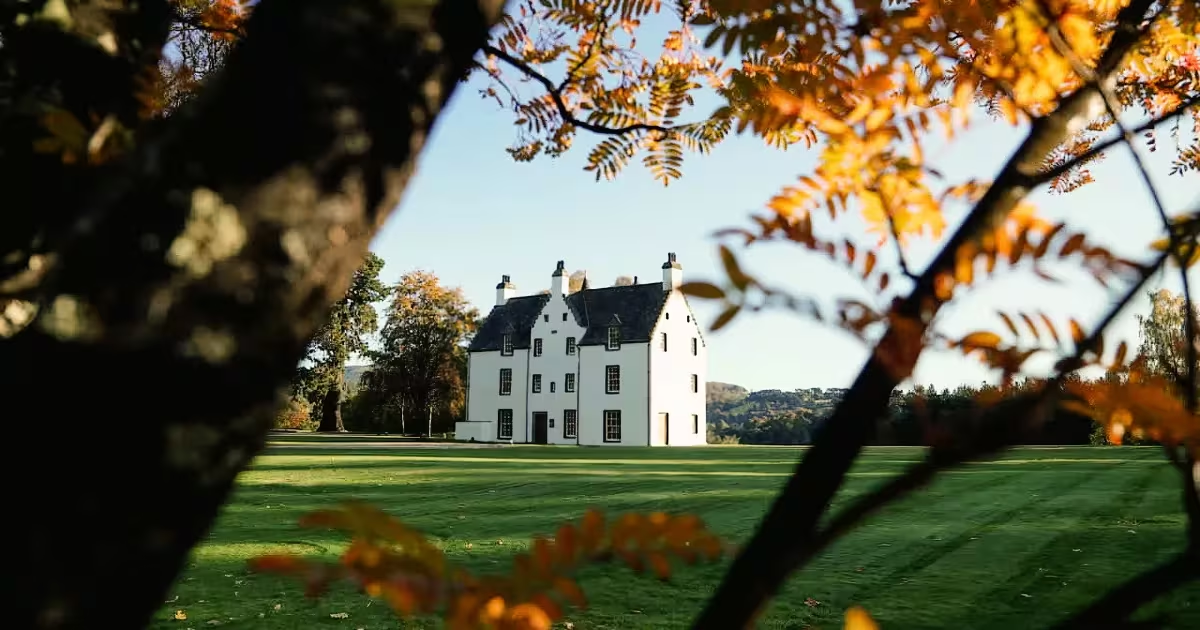
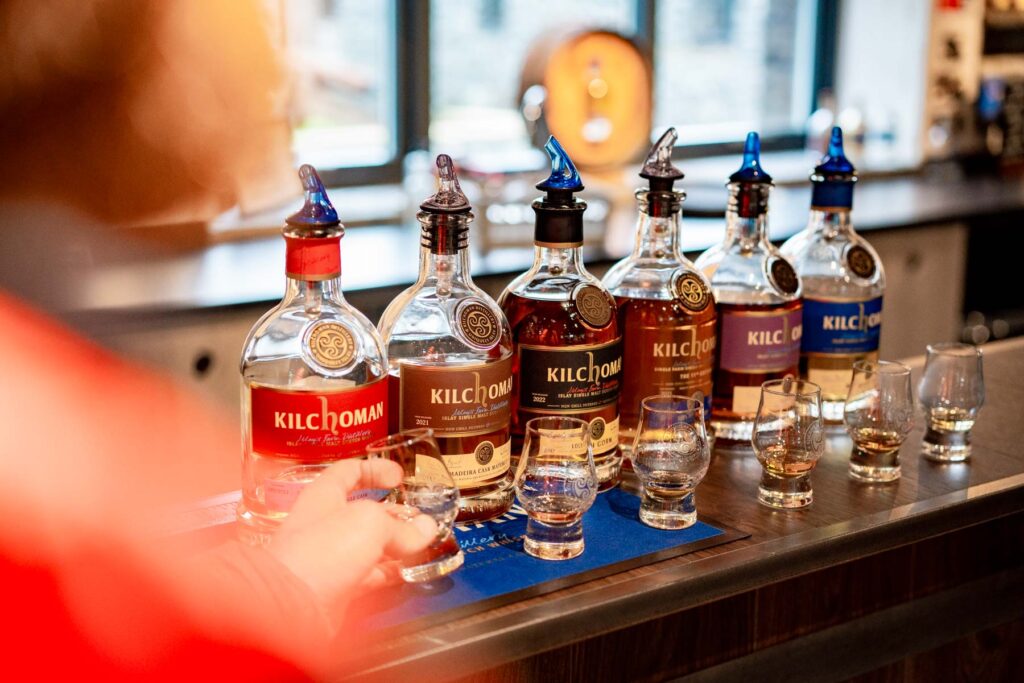
Kilchoman (above) feels like the future of Islay—small, independent and fiercely farm-focused. Their café serves lunches using produce from the estate, and the tours end with tastings that highlight how barley grown on site changes the final dram. It’s less polished than some of its neighbours but somehow more soulful, and the limited-edition releases in the shop sell out fast.
Beyond the Classics: Hidden Gems and New Horizons
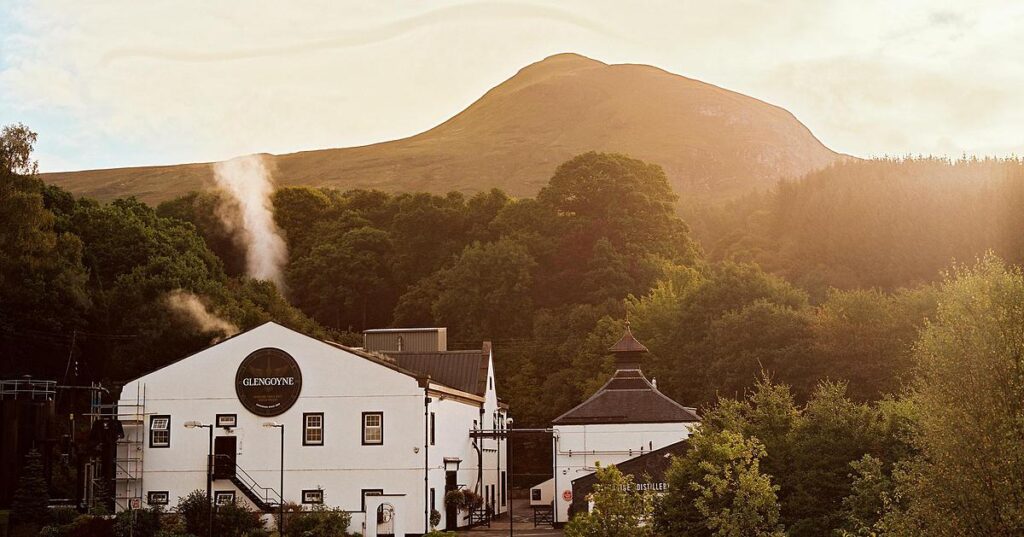
Not every memorable distillery sits in Speyside or Islay. Glengoyne, just north of Glasgow, sits in a picture-perfect glen with a waterfall visible from the still house. Their tours are relaxed, the tastings generous, and the on-site restaurant pairs local produce with their lightly peated, sherry-influenced whiskies. It’s an easy day trip from the city but feels a world away.
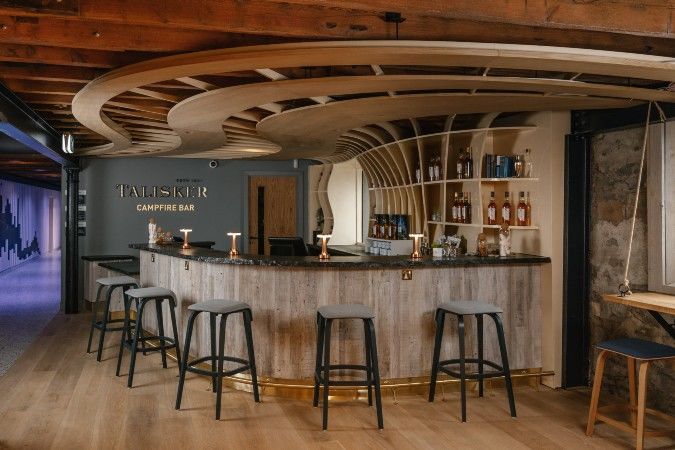
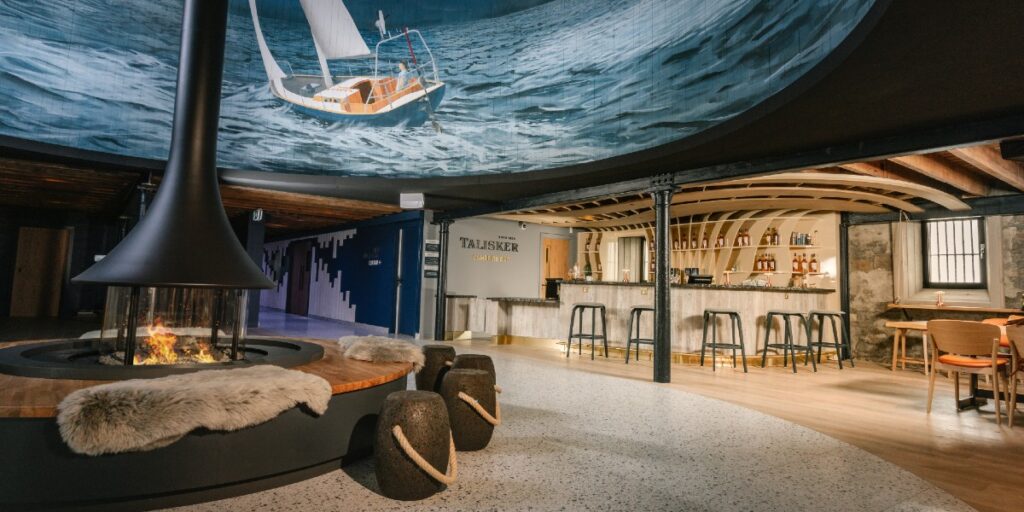
On Skye, Talisker (below) has one of the most dramatic settings of any distillery in Scotland. The tours explain how the sea air influences the spirit, and the visitor centre offers solid tastings and light lunches. Combine it with a coastal walk and you’ll understand why island whiskies taste the way they do.
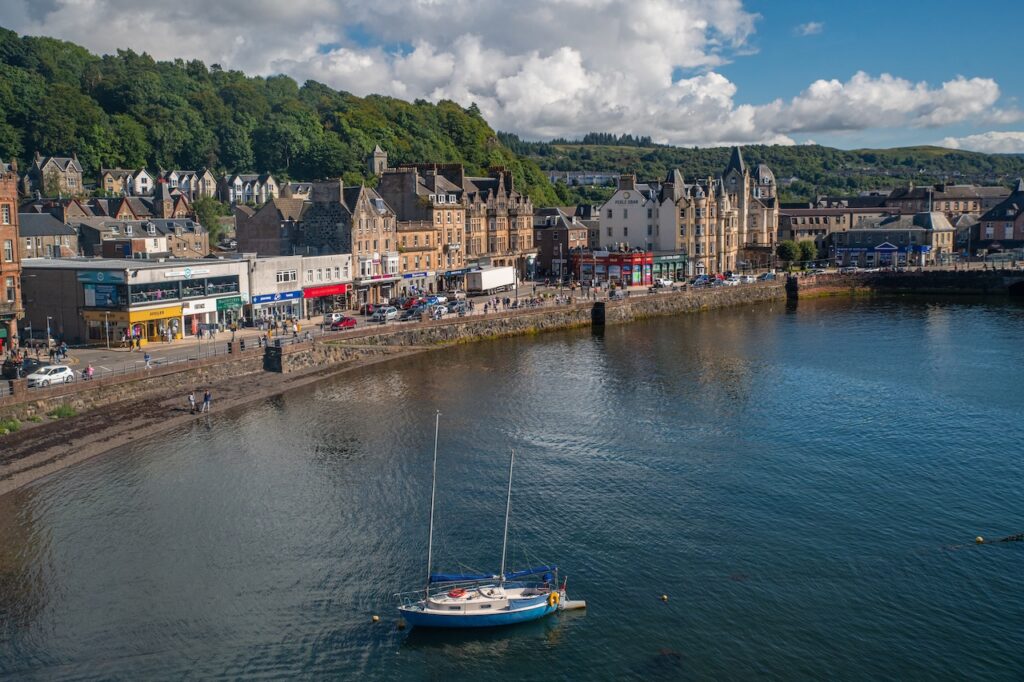
In Campbeltown, Springbank runs what many consider the gold-standard “Barley to Bottle” experience—small groups follow the entire process over several hours and finish with an extensive tasting. It’s more expensive and harder to book, but those who manage it describe it as the single most educational whisky day they’ve ever had.
Planning Your Perfect Distillery Journey
The key to a great trip is timing and pacing. May and September avoid the biggest crowds while offering beautiful light and fewer midges. Book every tasting and restaurant reservation at least six to eight weeks ahead—especially anything involving The Macallan, Glenturret or private cellar experiences. Many distilleries now offer packages that combine a tour with lunch or dinner, saving you the hassle of finding somewhere else to eat.
If you’re driving, designate a driver or use one of the excellent private whisky tour operators that run from Edinburgh, Glasgow or Inverness. Public transport works surprisingly well in Speyside, but Islay is best explored by rental car or organised tours. Consider basing yourself in one area for a few nights—Dufftown or Aberlour in Speyside, or Port Ellen on Islay—so you can linger rather than rush.
Don’t try to cram more than two or three distilleries into a single day. The best memories come from slowing down: sitting by a window with a dram while rain patters on the roof, chatting with a distiller about cask types, or finishing a long lunch with a final pour that tastes even better because you understand exactly how it was made.
Scotland’s distilleries have always been generous with their time and their stories. In 2026 they’re simply doing it with more style and more options than ever. Whether you’re chasing rare casks in a cool, dark cellar or enjoying a Michelin-level meal with whisky poured alongside each course, these visits turn a holiday into something far richer. Pack comfortable shoes, leave room in your suitcase for a bottle or two, and prepare to fall in love with the spirit—and the places—that make Scotland’s whisky culture so alive.
The road (and the sea loch) is waiting. Which dram will you taste first?