

Master the art of ordering whisky in a bar with quiet confidence. From knowing your drams to being versed in whisky etiquette, this guide reveals how to navigate the world of amber gold—without ever sounding like a try-hard.
In the dimly lit corners of a sophisticated bar—be it a sleek Singapore speakeasy, a Tokyo high-rise lounge, or a Bangkok rooftop haven—nothing commands quiet respect like a man who orders his whisky with effortless authority. Not the bluster of a name-dropper reciting obscure distilleries, but the quiet confidence of someone who understands and appreciates the spirit in his glass.
This guide will arm you with the knowledge to navigate any bar menu like a seasoned aficionado, without ever veering into pretentious territory. Think of it as the sartorial equivalent of a perfectly tailored suit: precise, understated, and devastatingly effective.
Whisky or Whiskey? Getting the Spelling (and Origins) Right
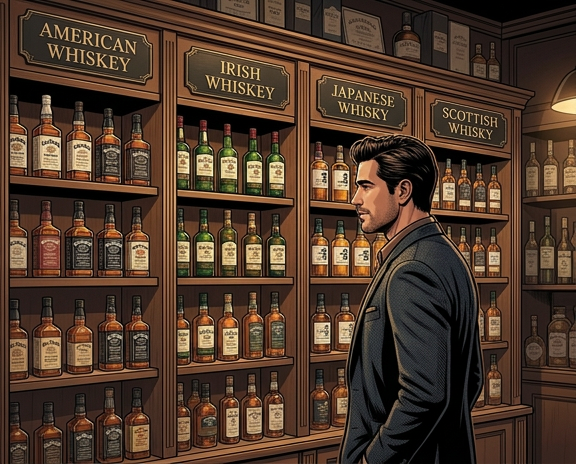
First things first: the eternal “e” debate. Whisky (no “e”) refers to the spirit produced in Scotland, Japan, Canada, and most other places. Whiskey (with the “e”) is the style favoured by the Irish and Americans. It’s a quirk rooted in history and linguistics, but using it correctly signals you’ve done your homework.
Scotch whisky must be made in Scotland, matured in oak casks for at least three years, and bottled at a minimum 40% ABV. It’s a protected designation with strict rules—no additives beyond water and caramel colouring.
Meanwhile, American whiskeys like bourbon (at least 51% corn, new charred oak barrels) tend to be sweeter and bolder, and Irish whiskeys are often triple-distilled for a smoother, lighter profile. Japanese whiskies draw inspiration from Scotch but often deliver their own elegant, refined twists with Mizunara oak influence.
For the Asia-based gentleman, Japanese whiskies like Yamazaki or Hibiki offer a natural entry point—familiar in refinement yet distinctly Eastern in subtlety. But mastering Scotch opens the widest world of flavour.
Decoding Scotch Styles: Your Essential Cheat Sheet
Not all Scotch is created equal. Understanding the main categories prevents you from staring blankly at the bartender.
- Single Malt Scotch: This is the aristocrat of whiskies. Made from 100% malted barley at a single distillery, single malts showcase terroir and distiller’s craft—they’re complex, layered, and often more expensive so expect depth and character.
- Blended Scotch: These are the crowd-pleasers and workhorses. A marriage of single malts and grain whiskies (made from other cereals like wheat or corn)—you’ll probably recognise brands like Johnnie Walker and Chivas Regal—delivering consistency and balance. Don’t dismiss them—many top blends are masterful.
- Single Grain and Blended Malt: While less common on bar menus these are still worth knowing. Single grain comes from one distillery using grains, while blended malts mix malts from multiple distilleries.
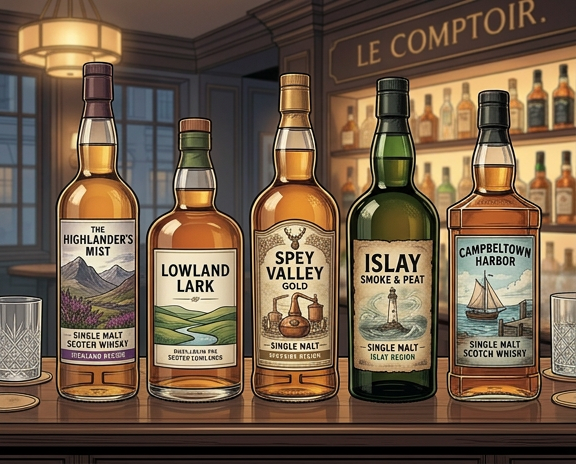
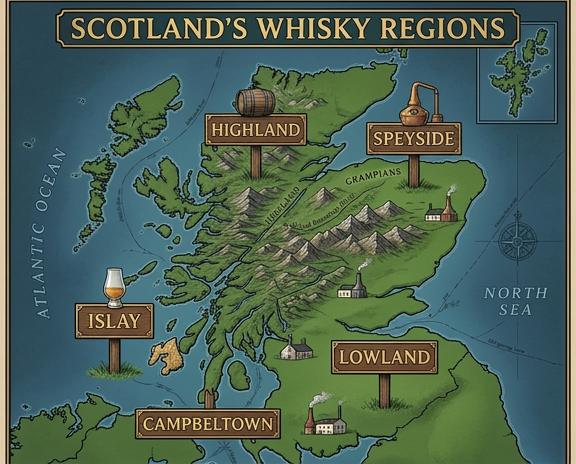
The real personality emerges from Scotland’s regions. Each imparts signature traits thanks to water, peat, climate, and tradition:
Speyside: This is the whisky heartland. Fruity, elegant, and often honeyed or floral with sherry cask influence. Think apple, pear, vanilla, and spice. Glenfiddich or Macallan are approachable gateways.
Highlands: Diverse and bold, these Northern expressions can be rich and full-bodied; southern ones lighter. Expect heather, nuts, and fruit. Classics include Glenmorangie and The Dalmore.
Islay (pronounced “eye-la”): These peat monsters are smoky, briny, and medicinal, with seaweed and campfire notes. Laphroaig or Ardbeg for those who like their dram with attitude. Perfect for adventurous palates.
Lowlands: Light, grassy, and gentle, Lowland whiskies are often triple-distilled, making them floral and easy-drinking—ideal starters. Bladnoch and Glenkinchie are great examples.
Campbeltown: These whiskies are rare but punchy. They’re like Popeye—briny, oily, with a touch of smoke. Springbank fans swear by them.
Islands (often grouped separately): Here you’ll find maritime influence—salt, smoke, and wind-swept character. Look out for drams like Talisker and Orkney’s Highland Park.
When ordering, drop a region or style preference casually: “Something peaty from Islay” or “A fruity Speyside single malt.” Bartenders appreciate the guidance.
How to Order Without the Cringe

Now it’s time to (subtly) strut your stuff. Approach the bar with calm assurance—no need for theatrics— with a strong opener: name the whisky, then the serve.
Examples include:
- “A Glenlivet 12 neat, please.”
- “I’ll have a Lagavulin 16 on the rocks.”
- “Something smooth and not too smoky—any recommendations?”
Specify a double if you want more (usually 50-60ml instead of 25-30ml). In Asia’s expat-heavy spots, many bars stock excellent selections; in tighter venues, ask what’s available.
Avoid: Listing every tasting note you’ve read online or correcting the bartender’s pronunciation unless truly butchered. The goal is enjoyment, not a sanctimonious sermon.
The Serve: Neat, Rocks, Water, or Something Else?
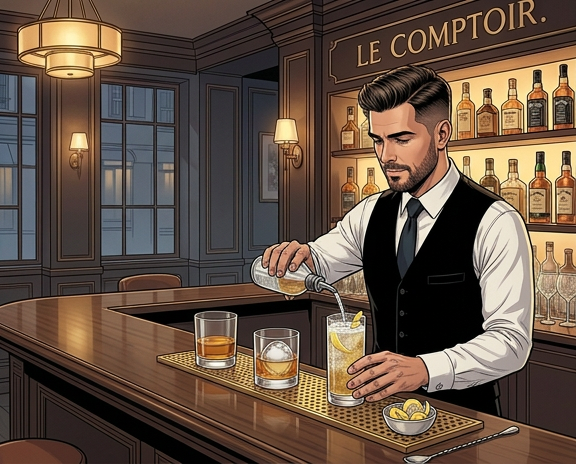
How your whisky is served dramatically affects the experience. Here’s how to decide like a boss:
Neat: Straight up, no ice, no mixer, neat whisky is served in a tumbler or Glencairn glass, at room temperature. This lets the full spectrum of aromas and flavours shine. This style is ideal for premium single malts you want to study and savour.
On the Rocks: With ice. A single large cube is preferable—it melts slower, diluting gently. On the rocks is great for bolder or higher-ABV drams to tame that burn. We would suggest avoiding adding ice to very old, delicate whiskies as the cold can mute nuances.
With Water: Believe it or not but this is the pro move. A few drops of still water (not sparkling) can “open up” the whisky, releasing hidden esters and flavours. Many Scots swear by it. For the best results, ask for a small pitcher on the side and add judiciously.
Highball or Mixer: As loved by Asian whisky fans (especially in Japan), highballs in particular are perfect for entry-level or blended whiskies. Whisky soda, ginger ale, or cola (yes, really—some love a Scotch and dry) are also acceptable alternatives. In humid Asian climates, highballs and whisky mixes are refreshingly civilised.
Rule of thumb: Start neat or with a drop of water for whisky tasting, and add ice or mixers for longer sipping sessions or hotter nights on the town. Never let a bad pour ruin the moment—send it back politely if it’s not just the way you ordered it.
Savouring Like a Boss: The Art of the Dram

Of course, ordering is only half the battle; the real mastery is in the drinking. Firstly, approach your glass with quiet reverence, not ostentation.
Look First: Tilt the glass and note the colour (afterall a lot of effort when into that one element)—pale gold suggests ex-bourbon casks so expect vanilla and coconut, while deeper amber or mahogany points to sherry or longer aging, leading to dried fruit and spice.
Take a whiff: Swirl gently, then inhale—no need for dramatic sniffs, take in the aromas like it’s early on prom night and the air is filled with possibility. You’re looking for fruits, smoke, oak, florals, or nuts. Take it in, let it linger and let your imagination soar.
On the Palate: Sip a small amount (let’s not be greedy now). Simply let it coat your tongue. Note sweetness, spice, acidity, and mouthfeel (oily, creamy, dry). The “burn” is ethanol—breathe through your nose as you sip to tame it.
The Finish: That’s the lingering aftertaste— whisky producers pride themselves on creating long, warming, and complex finishes. If that’s the case, excellent. If what you’re sipping finishes as short and harsh as a Reddit debate, you might want to reach for the water next time.
Common tasting notes to reference casually: “Lovely peat smoke with a touch of sea salt” for Islay whiskies, or “Sweet orchard fruit and butterscotch” for Speyside. Use them descriptively, not as performance art, no one likes a whisky wanker.
Pro tip: In a bar, savour slowly. Whisky is for contemplation between conversations, not for shots between NASCAR ads. Pair your dram thoughtfully—dark chocolate, nuts, or a good cigar for bolder expressions; oysters or smoked salmon for peaty ones.
Etiquette and Advanced Plays
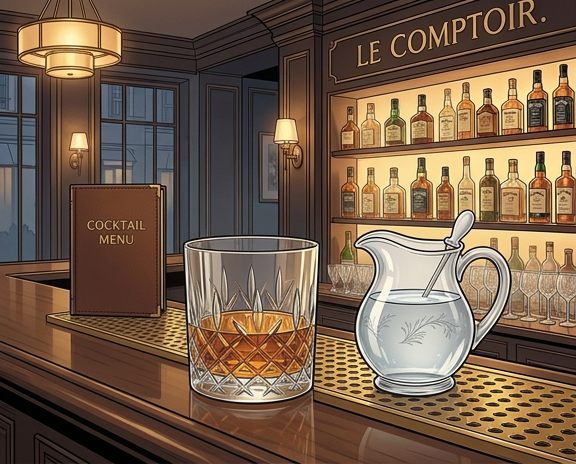
There’s a timeless elegance to whisky, and that extends to the way this coveted spirit is presented and enjoyed. Here’s some points to remember:
- Temperature: Room temperate is king. Ice should be considered an informed choice, not the default.
- Glassware: A proper tumbler works; stemless or Glencairn elevates the experience.
- Pace Yourself: Alternate with water. No one respects the sloppy enthusiast.
- In Asia: Respect local customs. In Japan, whisky highballs (mizuwari) are hugely popular. In upscale spots, sommeliers or whisky specialists may offer flights which are perfect for discovery.
- Budget: Entry-level 12-year-olds teach newbies volumes. Splurge on 18+ or rare expressions when the occasion (and wallet) allows.
Avoid the try-hard traps: arguing peat levels loudly, insisting on specific water sources, or overspending to impress are all behaviours that should be beneath you. True confidence is reflected in quiet competence.
Closing the Evening Like a Gentleman
Mastering whisky is less about memorising every distillery and more about understanding what you enjoy and why. Whether you’re closing a deal in Hong Kong, unwinding after a Bali surf session, or impressing a date in Kuala Lumpur, that quiet authority translates across cultures.
Next time you belly up to the bar, order with purpose, sip with appreciation, and let the liquid do the talking. You’re not performing expertise—you’re simply living it. And that, gentlemen, is the mark of a modern man.
Slàinte!