

Red, white, rosé, sparkling, natural—the wine list can feel like a foreign language exam. It doesn’t have to. Here’s your no-nonsense, jargon-light primer to the most common wine styles, what they taste like, and what to eat alongside them. Study up, order with confidence.
Somewhere between the sommelier’s sweeping recitation of “notes of graphite and freshly turned earth” and your mate’s unshakeable loyalty to the house red, lies a sensible middle ground: knowing enough about wine to enjoy it, order it well, and choose something that actually suits the moment. You don’t need to have visited Burgundy. You don’t need a Level 3 WSET certificate. You just need a working framework—and that’s exactly what this is.
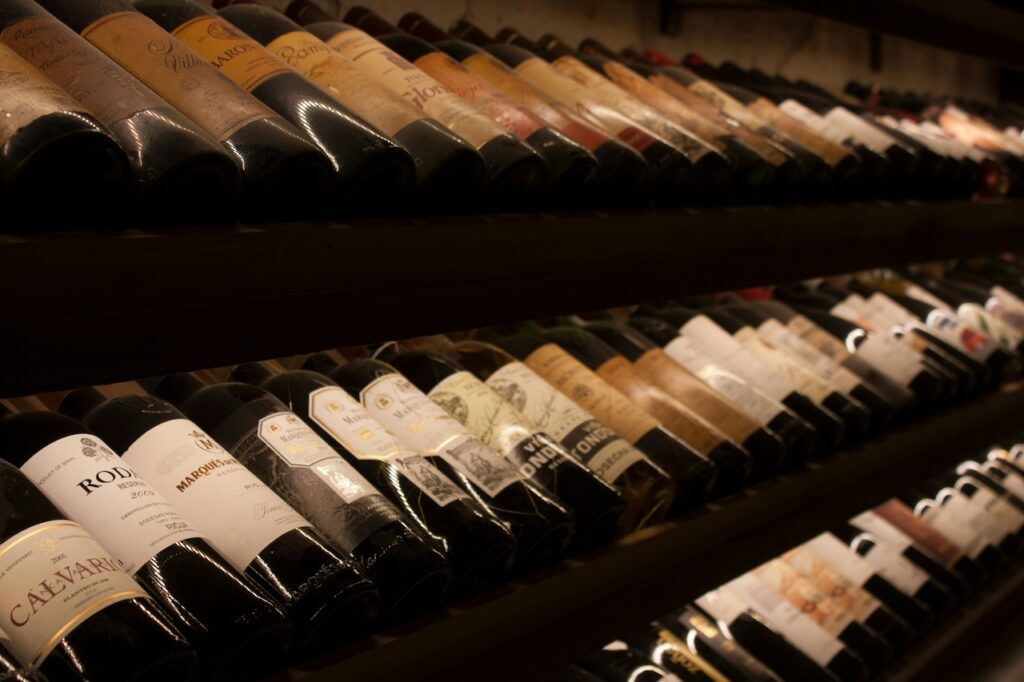
Wine, at its core, is just fermented grape juice. The magic—and the madness—comes from what happens between the vine and the bottle: the grape variety, the climate, the winemaker’s choices, and how long it’s been aged. Master a handful of key styles and you’ll navigate any list with quiet authority. Let’s get into it.
White Wines: Crisp, Aromatic, and Often Underestimated
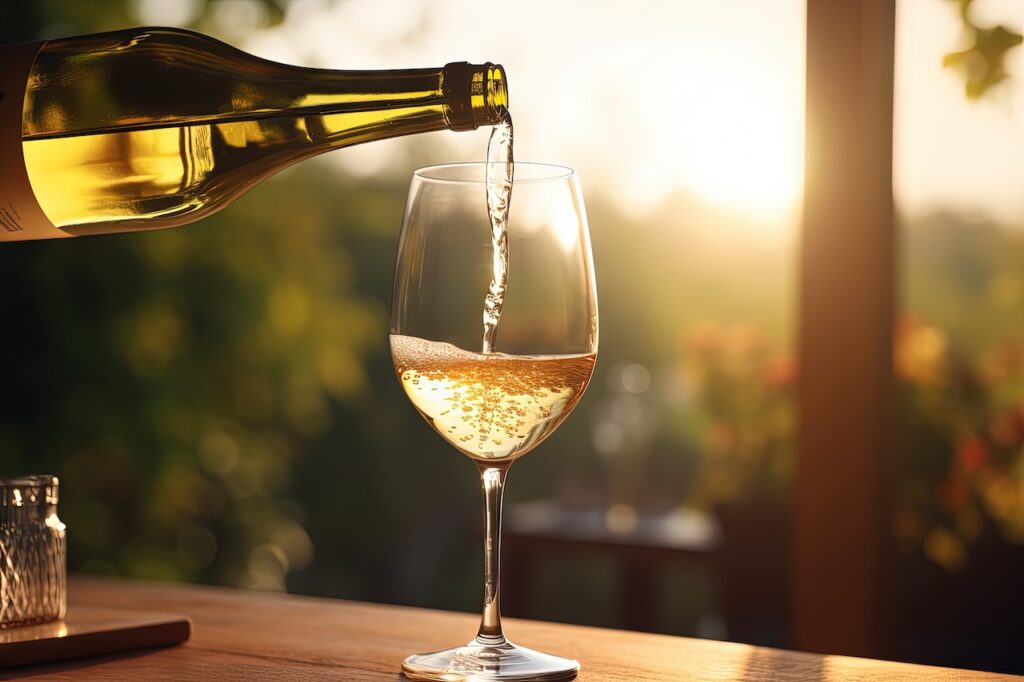
White wines are made from green or yellow grapes—sometimes even red-skinned grapes with the skins removed before fermentation. The result is everything from bone-dry and steely to lusciously sweet. Here are the styles you’ll encounter most:
Chardonnay
The world’s most planted white grape and arguably its most misunderstood. Unoaked Chardonnay—think Chablis from northern Burgundy—is lean, mineral, and almost aggressively dry, with green apple and citrus. Oak-aged versions (think: classic Napa or white Burgundy) lean into butter, vanilla, and stone fruit. It’s the crowd-pleaser that actually deserves the hype.
Pair it with: roast chicken, creamy pasta, grilled fish, and soft cheeses.
Sauvignon Blanc
Zingy, herbaceous, and unmistakable. New Zealand’s Marlborough region made this grape globally famous with its punchy tropical fruit, grassy notes, and bracing acidity. French Loire Valley versions (Sancerre, Pouilly-Fumé) are more restrained—flinty, citrus-driven, and elegant. Either way, you’re getting freshness in a glass. One of the most food-friendly whites around.
Pair it with: goat’s cheese, sushi, Thai green curry, grilled asparagus, and seafood.
Riesling
The thinking person’s white wine. Riesling is wildly versatile—it can be bone-dry (Alsace, Germany’s Mosel), off-dry, or gloriously sweet (Spätlese and Auslese from Germany). What it always delivers is electric acidity, extraordinary aromatic complexity, and an ability to age beautifully. Don’t let the residual sugar put you off; it’s balanced by acidity so it never feels cloying. One of wine’s greatest food wines, full stop.
Pair it with: spicy Asian food (it’s almost magical with Thai or Sichuan), pork, duck, and strong blue cheese.
Pinot Grigio / Pinot Gris
The same grape, two very different personalities. Italian Pinot Grigio is light, neutral, dry, and refreshing—great for a warm afternoon when you want something uncomplicated. Alsatian Pinot Gris, by contrast, is richer, more textured, and often touched with honey and spice. Neither will challenge you.
Pair it with: For the Italian style go for antipasti, light pasta, grilled seafood. For the Alsatian style try pork rillettes, smoked fish, mild curries.
Red Wines: Bold, Brooding, and Built for Food
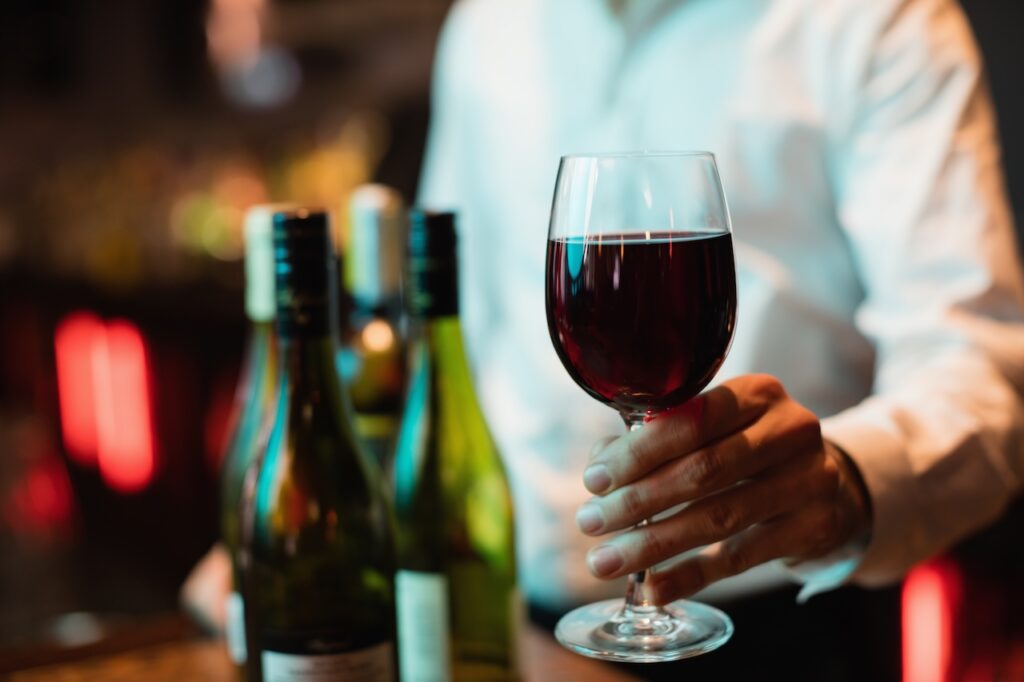
Reds are made with the grape skins left in contact with the juice during fermentation, which is where colour, tannins, and a lot of the structure comes from. Tannins are that drying sensation you feel on your gums—the backbone of most serious red wine. Here’s what you need to know:
Cabernet Sauvignon
The undisputed king of red wine. Full-bodied, tannic, and built for the long haul, Cab Sauv delivers blackcurrant, cedar, tobacco, and dark cherry depending on where it’s from. Napa Valley versions are opulent and rich; Bordeaux tends to be more restrained and complex. This wine wants food—particularly red meat. Open the bottle half an hour early, or decant it. It rewards patience.
Pair it with: ribeye steak, lamb chops, hard aged cheeses.
Pinot Noir
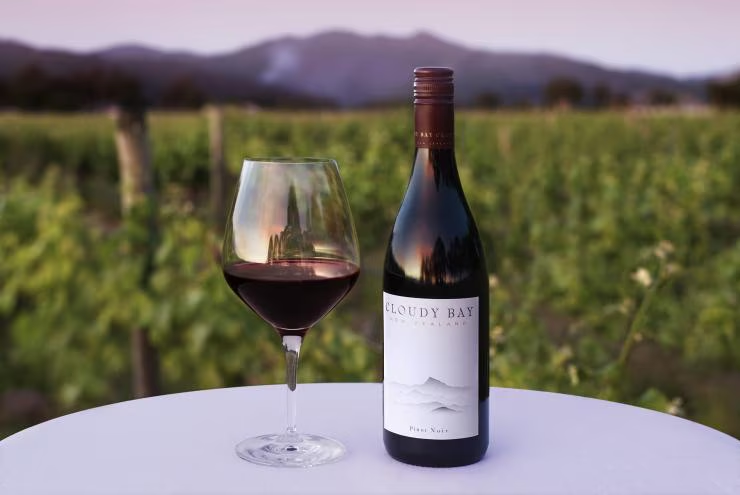
The heartbreaker of the wine world—ethereally beautiful when done right, devastatingly disappointing when not. Burgundy’s Pinot Noir is the benchmark: silky, red-fruited, earthy, complex. New Zealand (my favourites are from Central Otago), Oregon, and California each offer their own compelling takes, generally riper and more fruit-forward. Low tannins and medium body make it food-friendly without being aggressive. The wine for people who find Cabernet too heavy.
Pair it with: roast duck, salmon, mushroom risotto, charcuterie.
Merlot
Unfairly maligned since a certain 2004 film made it the butt of the joke, Merlot is actually plush, approachable, and delicious when well made. Softer tannins than Cab Sauv, with plum, chocolate, and herbal notes. Right Bank Bordeaux (Pomerol, Saint-Émilion) produces some of the world’s finest and most expensive examples. This is the gateway red for those building their palate.
Pair it with: pasta Bolognese, pizza, roast pork, brie.
Shiraz / Syrah
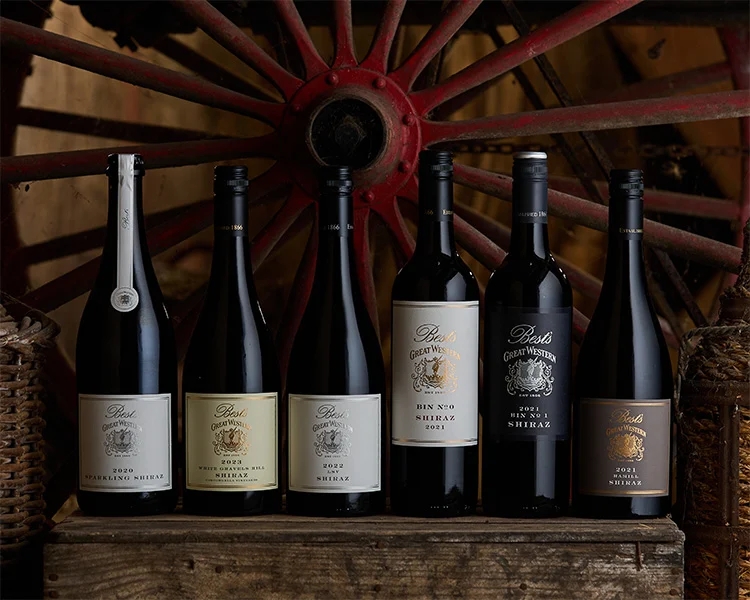
Call it Syrah in France (particularly the northern Rhône, where it’s noble and peppery) and Shiraz in Australia (where it’s bigger, jammier, and more exuberant). Either way: dark fruits, black pepper, smoke, and leather. Australian Barossa Shiraz is the liquid equivalent of a V8 engine. Northern Rhône Syrah (Crozes-Hermitage, Saint-Joseph) is more restrained and complex. This is a red that earns its place at any serious table.
Pair it with: barbecued meats, venison, hard cheese, charcuterie.
Malbec
Argentina made this grape famous, and for good reason. Mendoza Malbec is plummy, velvety, and deeply coloured, with violet aromas and soft tannins that make it immediately appealing. It’s honest, generous wine that doesn’t demand expertise to enjoy. This is one of the most reliably enjoyable entry-to-mid-range reds on any list.
Pair it with: Argentine asado (naturally), burgers, empanadas, lamb.
Rosé: Not Just for Instagram
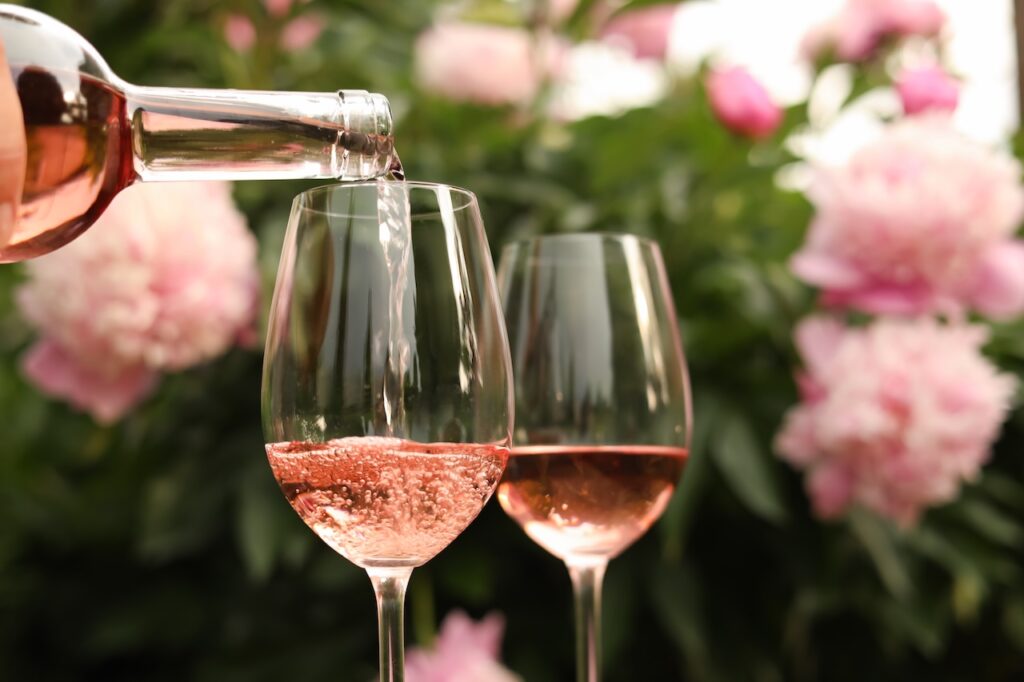
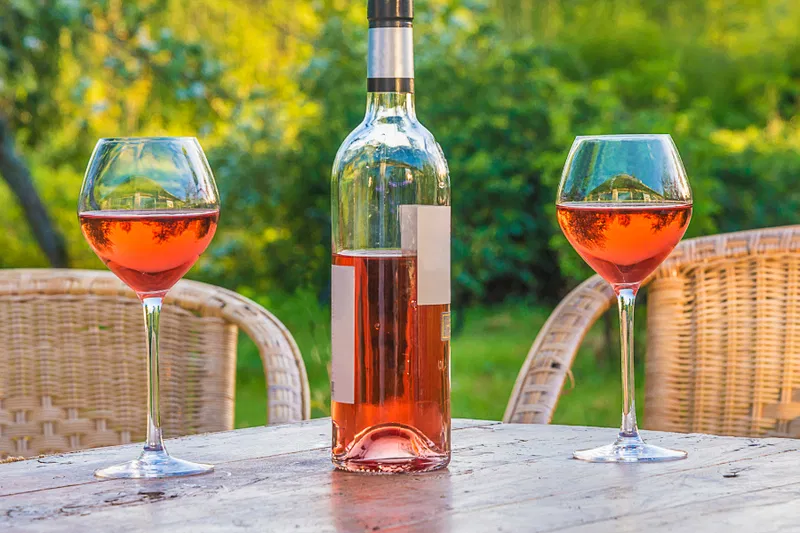
Rosé has suffered from an image problem—pink, pretty, and assumed to be sweet. The reality is that the best rosé is dry, precise, and extraordinarily versatile. Provençal rosé (think: Whispering Angel, Miraval) is the gold standard—pale salmon, bone-dry, with delicate strawberry, herb, and citrus notes. Spanish rosado tends to be a deeper pink and slightly more robust. White Zinfandel from California is the sweet version—approachable, but a different category entirely.
Pair it with: grilled prawns, niçoise salad, cold cuts, sushi, and anything you’d eat on a sunny terrace. It’s also one of the most reliable choices when the table is ordering a mix of meat and fish dishes and you need one bottle to serve all.
Sparkling Wines: Beyond the Celebratory Cliché
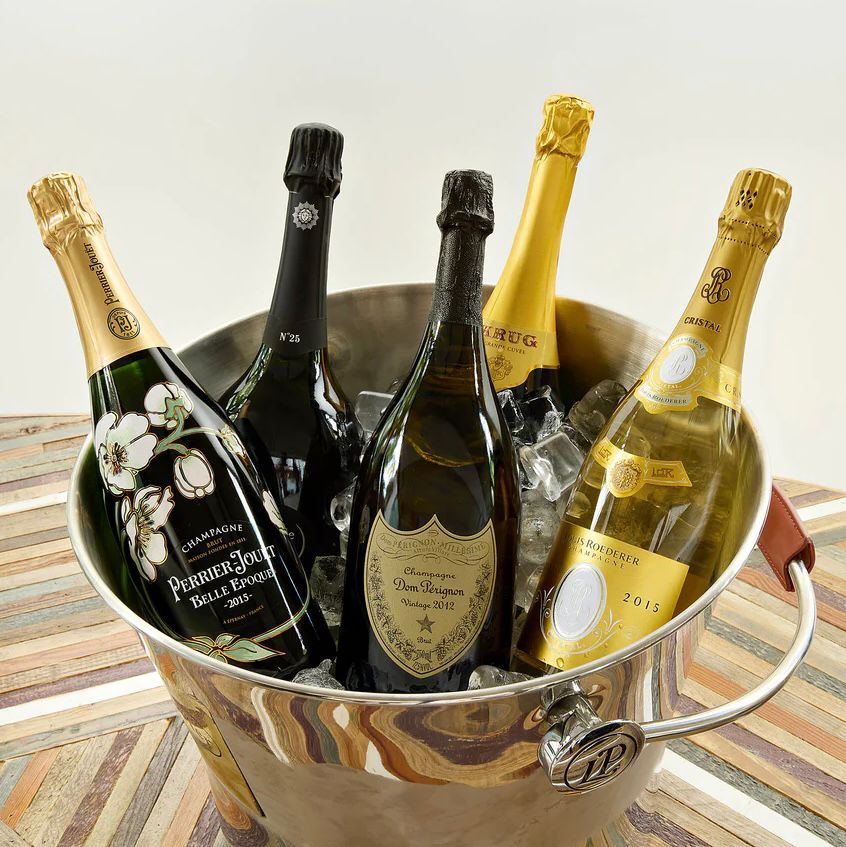
Bubbles are not just for toasting. A good glass of Champagne or its sparkling cousins is one of the most food-friendly things you can put on a table.
Champagne
The benchmark. Made exclusively in the Champagne region of France using the traditional method (secondary fermentation in the bottle), non-vintage Champagne offers baked brioche, green apple, citrus, and toasty complexity. Blanc de Blancs (100% Chardonnay) is lighter and more citrus-driven; Blanc de Noirs (Pinot Noir or Pinot Meunier) is richer and more vinous.
Pair it with: oysters, fried chicken (yes, really—the acidity cuts through the fat beautifully), sushi, smoked salmon, and caviar if you’re living right.
Prosecco
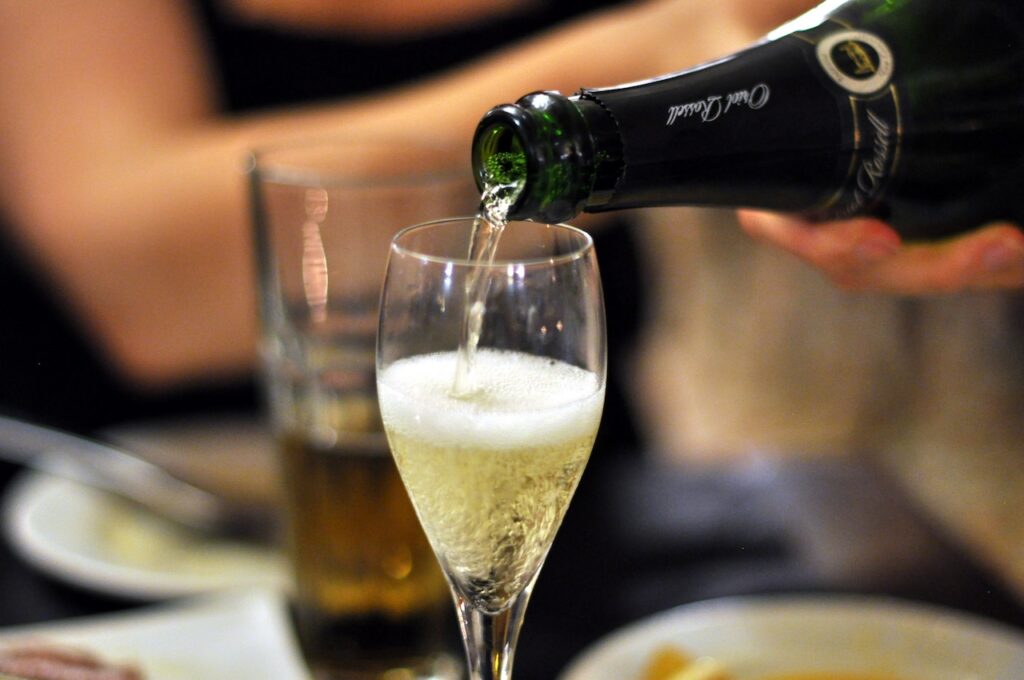
Italy’s answer to Champagne, made in the Veneto region using the tank method (Charmat), which keeps it fresher and fruitier with less of the bready complexity. Think: white peach, pear, light floral notes, and gentle bubbles. It’s festive, affordable, and easy.
Pair it with: antipasti, bruschetta, light canapés, or simply as an aperitivo. The spritz isn’t just a cliché—it’s one of the great pre-dinner drinks in the world.
Cava and Other Sparklers
Spanish Cava uses the same traditional method as Champagne but with local grape varieties—Macabeo, Xarel-lo, Parellada—offering earthy, nutty notes at a fraction of the price. It’s excellent value and seriously underrated. English sparkling wine is also having a genuine moment—cooler growing conditions produce high-acid, complex wines that are beginning to rival Champagne. Don’t sleep on them.
Dessert and Fortified Wines: The Finishing Touch
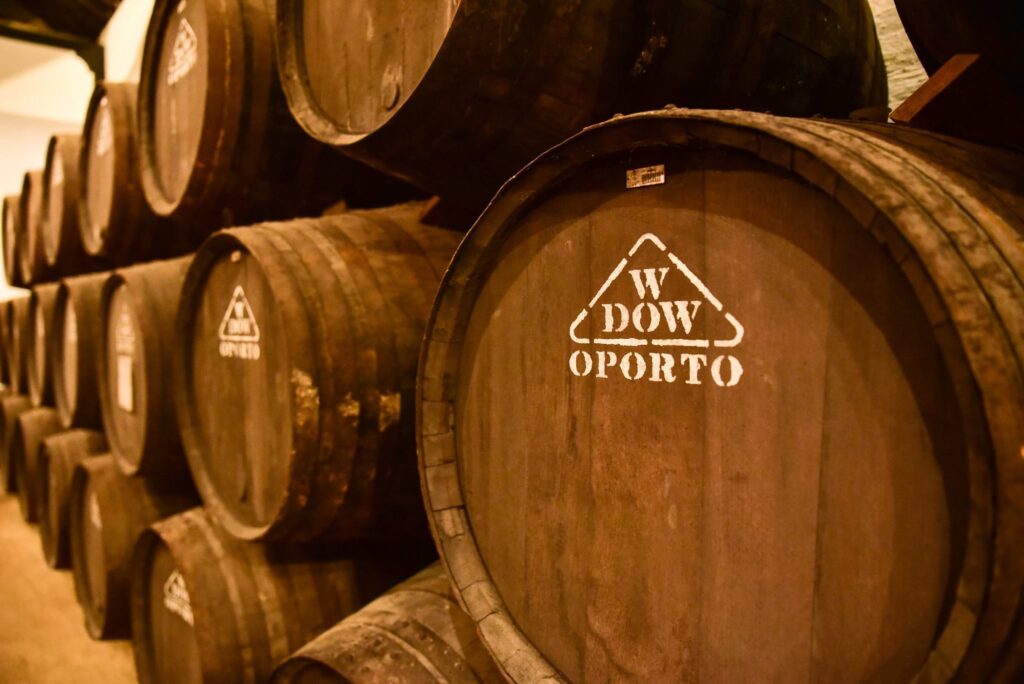
Often overlooked but worth knowing. Fortified wines have had a spirit (usually grape brandy) added during or after fermentation, which boosts alcohol and, in many cases, preserves residual sweetness.
Port
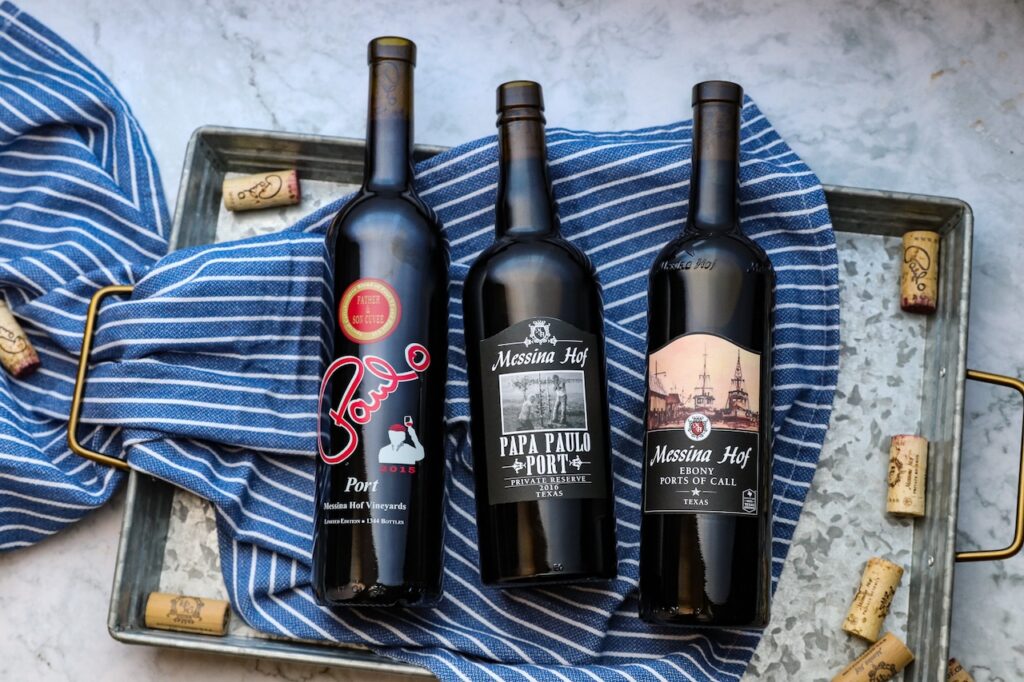
From Portugal’s Douro Valley, Port is rich, sweet, and complex. Ruby Port is the entry point—fruity and direct. Tawny Port has been aged in oak and develops nutty, dried-fruit complexity. Vintage Port is the prestige expression—built for decades of cellaring. Ideal to close a long evening with, ensure you pick your company as closely as your vintage.
Pair it with: Stilton and blue cheese (a classic for good reason), dark chocolate, walnuts.
Sauternes and Sweet Whites
Sauternes from Bordeaux—made from grapes affected by “noble rot” (Botrytis cinerea)—is one of wine’s genuine miracles: honeyed, apricot-rich, complex, and with enough acidity to prevent it ever feeling heavy. Smaller pours, bigger impact. If you’re feeling budget concious or you’re just sampling, German Spätlese and Auslese Rieslings occupy a similar sweet-but-balanced category at more accessible price points.
Pair it with: foie gras (the classic match), crème brülée, or simply a wedge of Roquefort.
Natural and Orange Wines: The Rebels of the List
No wine conversation in 2026 is complete without acknowledging the natural wine movement. Natural wines are made with minimal intervention—often wild-yeast fermented, unfiltered, unfined, and with little or no added sulphites. The results can be extraordinary (vibrant, textured, alive) or challenging (cloudy, funky, volatile). They’re not for every occasion, but they’re worth exploring.
Orange wine occupies its own intriguing category: white wine made with extended skin contact, giving it amber or orange colour, tannins (unusual for a white), and a nutty, oxidative complexity that sits somewhere between white and red. It’s divisive—which is part of the appeal. Pair natural and orange wines with: charcuterie, fermented foods, hearty vegetable dishes, and strong cheeses. And approach them with an open mind.
The Quick-Reference Cheat Sheet
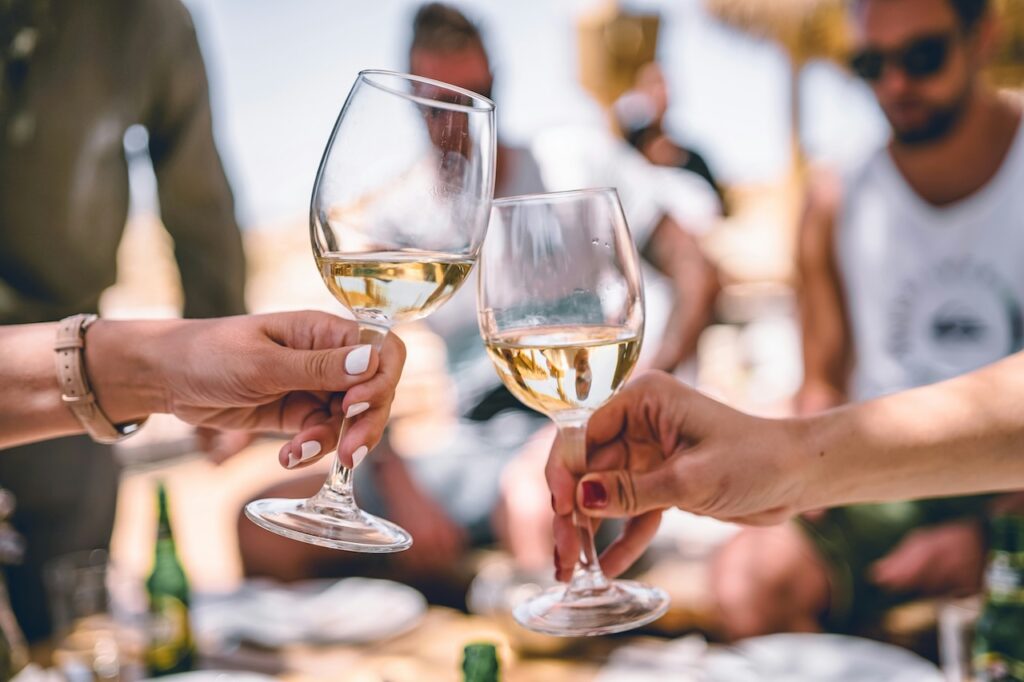
Before you go, here’s the framework to carry in your back pocket:
- Want something crisp and refreshing? Go Sauvignon Blanc, Chablis, or Pinot Grigio.
- Want something rich and white? Go oaked Chardonnay or Alsatian Pinot Gris.
- Want a lighter red? Go Pinot Noir or Merlot.
- Want a big, serious red? Go Cabernet Sauvignon or Syrah.
- Hot day, mixed crowd, all bases covered? Go rosé.
- Spicy food on the table? Reach for Riesling.
- Opening with cocktails and moving to wine? Start with Champagne or Prosecco and thank yourself later.
The world of wine rewards curiosity more than expertise. Like understanding whisky styles or sake, you don’t need to master every appellation or memorise every vintage chart—you just need to drink with intention, pay attention to what you enjoy, and be willing to try something new. The rest follows naturally.

And if in doubt? Ask the sommelier. A good one won’t judge you—they’ll light up at the chance to point you somewhere interesting. Just tell them what you’re eating, your rough budget, and whether you’re in the mood for something safe or adventurous. Then trust them. That’s what they’re there for.
We’ll be going deeper on wine and food pairing in a future feature—but for now, you have everything you need to hold your own at the table. Chin-chin.