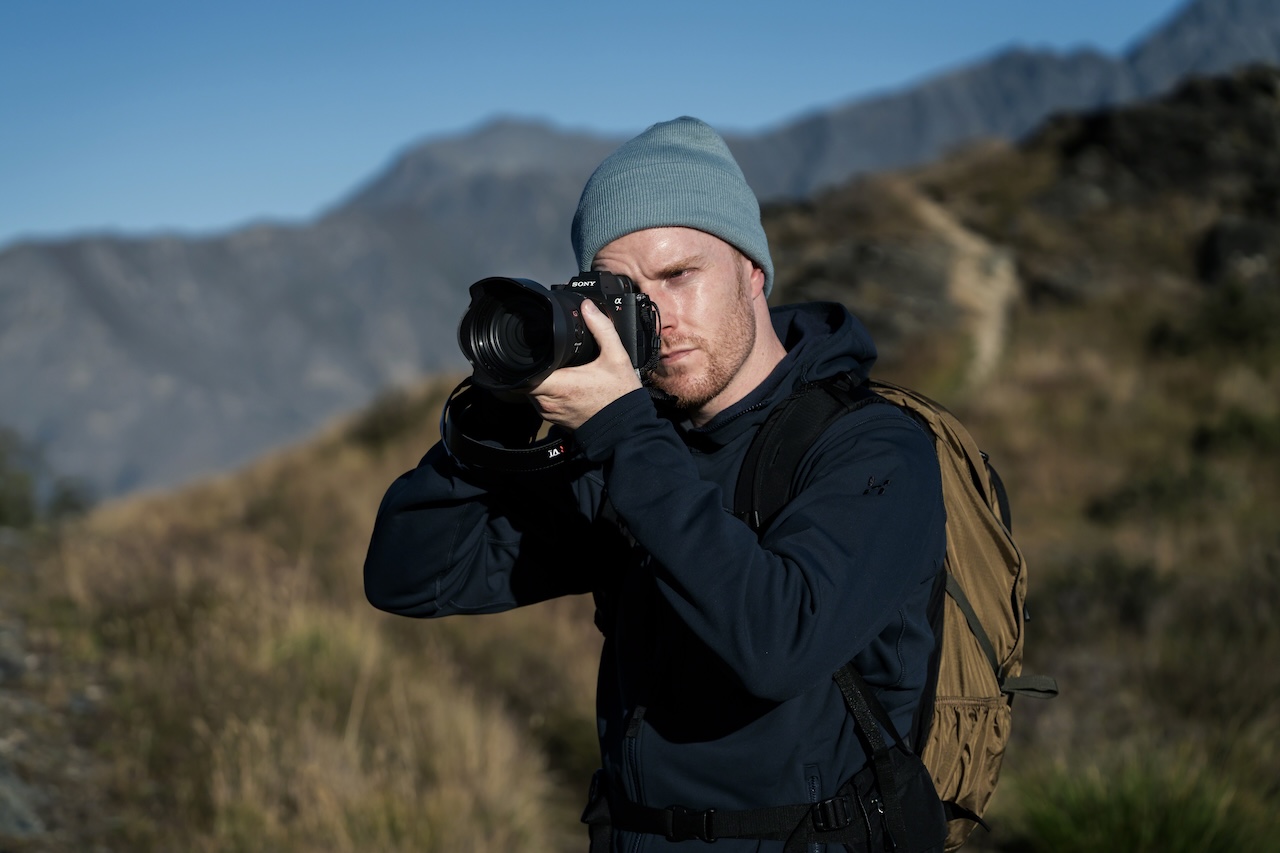

Sony’s new Alpha 7R VI isn’t just the best camera in the Alpha series — it might be the most capable full-frame mirrorless ever made.
There’s a version of the camera conversation that goes like this: resolution guys and speed guys. The pixel-peepers who shoot landscapes on tripods and need every blade of grass rendered in forensic detail. And the action shooters — sports, wildlife, documentary — who’d rather nail the moment in 14-bit RAW at 30 frames per second and sort the sharpness later. For the longest time, you had to pick a side.
Sony just blew that binary apart.
The Alpha 7R VI is the camera the resolution faithful have been demanding and the one speed shooters didn’t know they were allowed to want. It is, by every meaningful metric, the most complete Alpha Sony has ever made.
The Sensor: 66.8MP That Actually Moves
Start where it matters most: the sensor. The A7R VI is built around a 66.8-megapixel full-frame back-illuminated fully-stacked Exmor RS CMOS sensor — and that word “stacked” is doing serious heavy lifting. Sony’s previous resolution flagship, the Alpha 7R V, ran a 61MP sensor that capped electronic shutter continuous shooting at 7 frames per second. Good for tripod work; not ideal when your subject is moving.
The A7R VI is a fundamentally different proposition. By moving to a fully-stacked sensor architecture and pairing it with the BIONZ XR2 processor — the same engine that powers the A1 II and A9 III — Sony has effectively merged the resolution flagship and the speed flagship into a single body.
The sensor readout is approximately 5.6 times faster than the previous model, enabling blackout-free continuous shooting at up to 30 frames per second with full AF/AE tracking — 60 calculations per second. The jump from 7fps to 30fps is not incremental. It’s a different camera.
Dynamic range hits up to 16 stops, with reduced noise in the mid-sensitivity range. Auto White Balance is now powered by both a visible light sensor and infrared, with deep-learning illumination estimation — which in plain English means accurate, consistent colour in the mixed and tricky lighting situations that cause other cameras to drift.
The Autofocus: AI That Actually Works
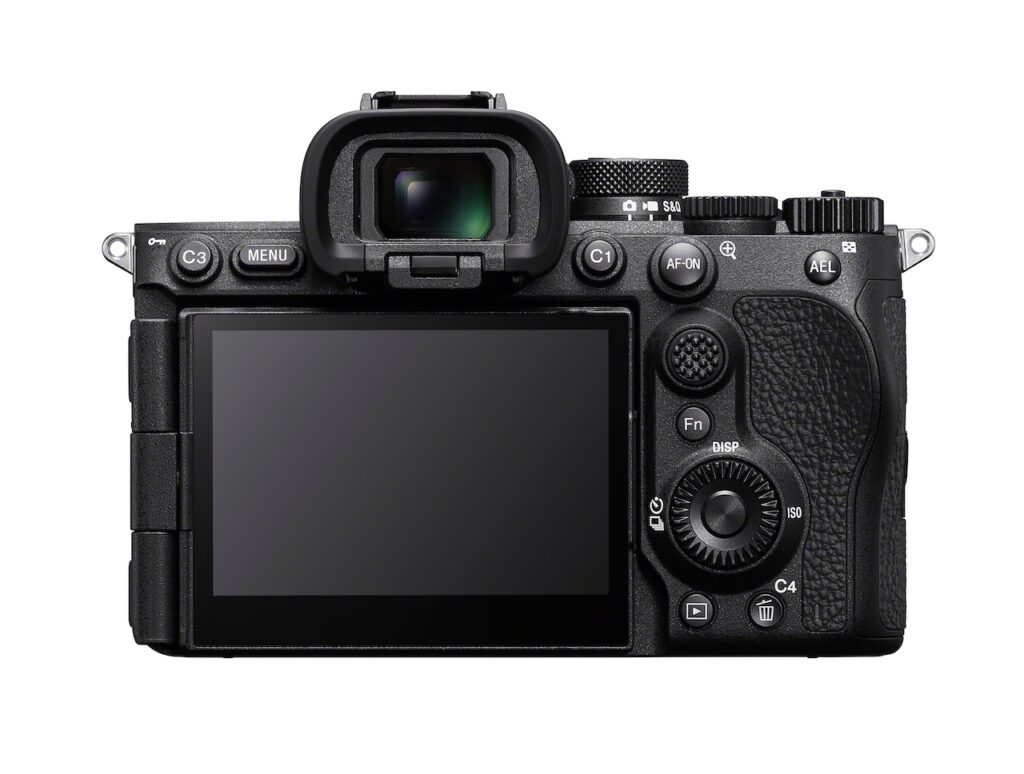
Sony’s autofocus has been the benchmark for some time, but the A7R VI takes it further with Real-time Recognition AF+, which uses skeletal-based human pose estimation to track athletes and fast-moving subjects across the frame. This isn’t face detection with extra steps — it’s the camera reading body position and predicting movement, so when your subject turns side-on or partially disappears behind an obstacle, focus holds.
For sports photographers and wildlife shooters who’ve historically had to choose between resolution and tracking speed, this changes the conversation entirely.
The Video Credentials: A Hybrid Shooter’s Dream
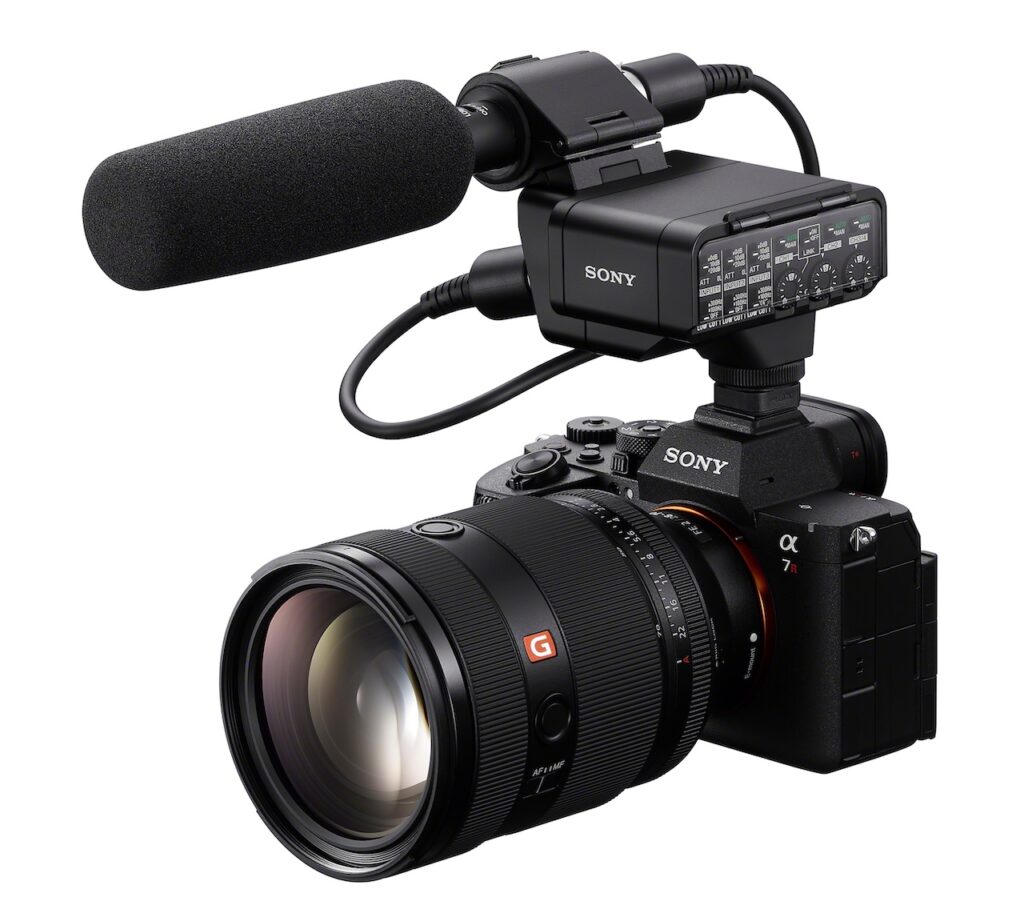
Sony has always taken video seriously in its Alpha bodies, and the A7R VI is no exception. The camera shoots 8K 30p and full-frame 4K 120p without crop — the latter being genuinely useful for slow-motion work at high resolution. 8K comes with 8.2K oversampling, meaning the image is processed from a higher resolution before being downscaled, which sharpens the final output and reduces moiré.
New for the Alpha series is Dual Gain Shooting — a sensor-level feature that optimises dynamic range in the shadows, preserving detail in darker parts of the frame without blowing the highlights. Stabilisation has been redesigned with expanded roll-direction compensation, and Dynamic Active Mode delivers smooth handheld footage for run-and-gun shooting.
For hybrid creators who shoot both stills and video at a serious level, the A7R VI is increasingly hard to argue with.
The Body: Built to Work
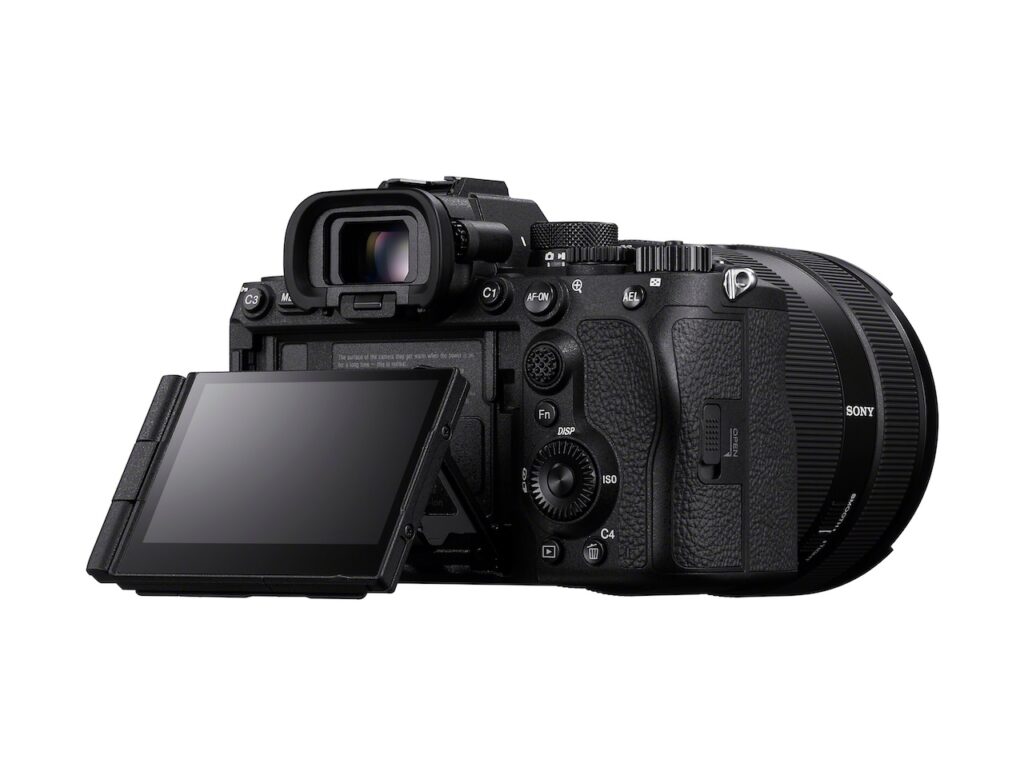
The physical design takes clear cues from professional feedback. The new NP-SA100 battery delivers up to 710 shots per charge via the LCD monitor — a meaningful upgrade for extended shoots. The OLED viewfinder runs at 9.44 million dots with a DCI-P3 equivalent colour gamut, 10-bit HDR, and a maximum brightness approximately three times higher than conventional models, which matters when you’re shooting in direct sunlight and can’t see a thing.
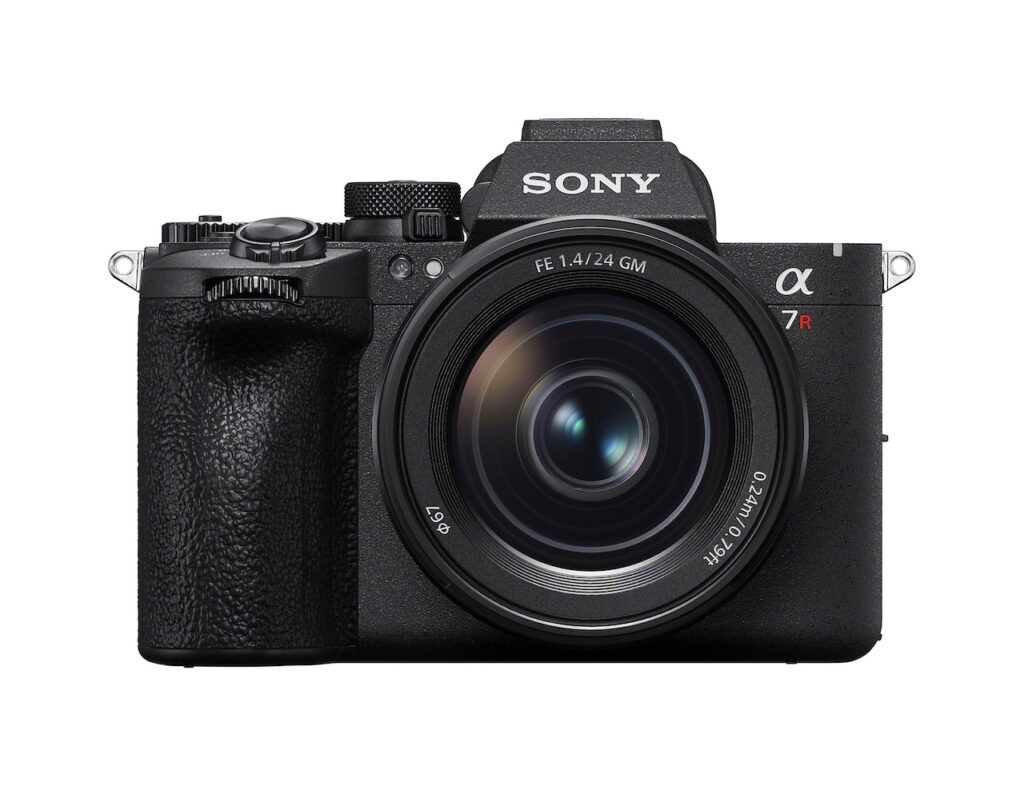
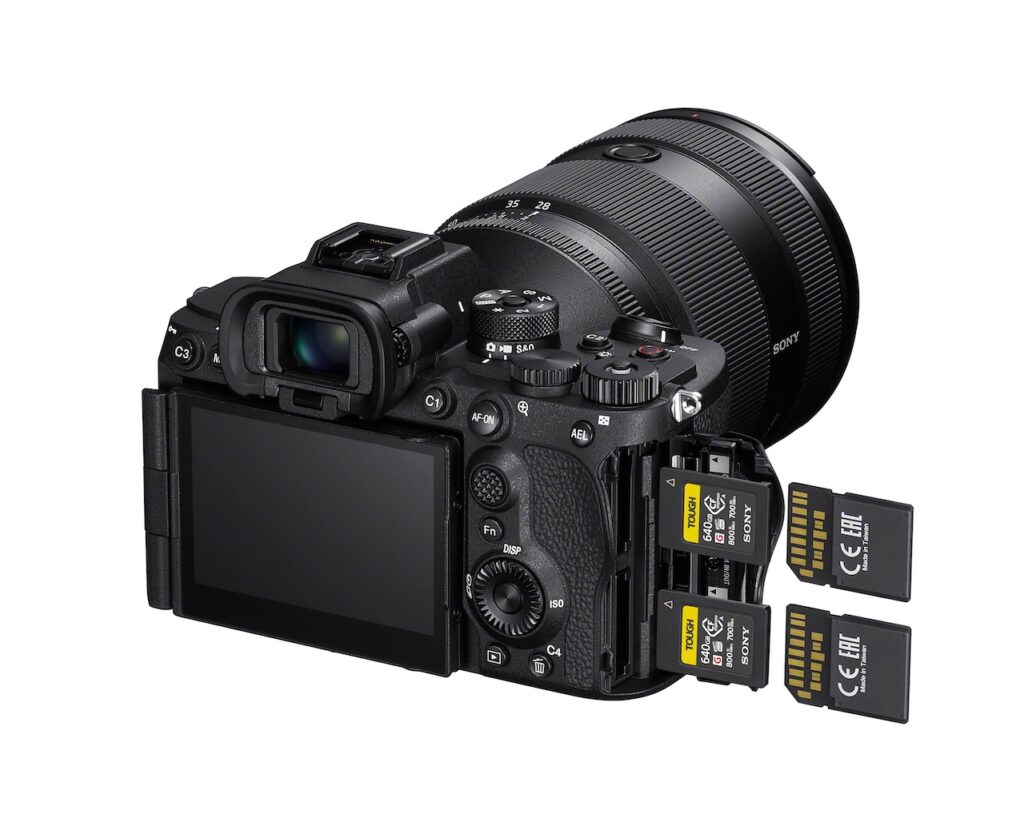
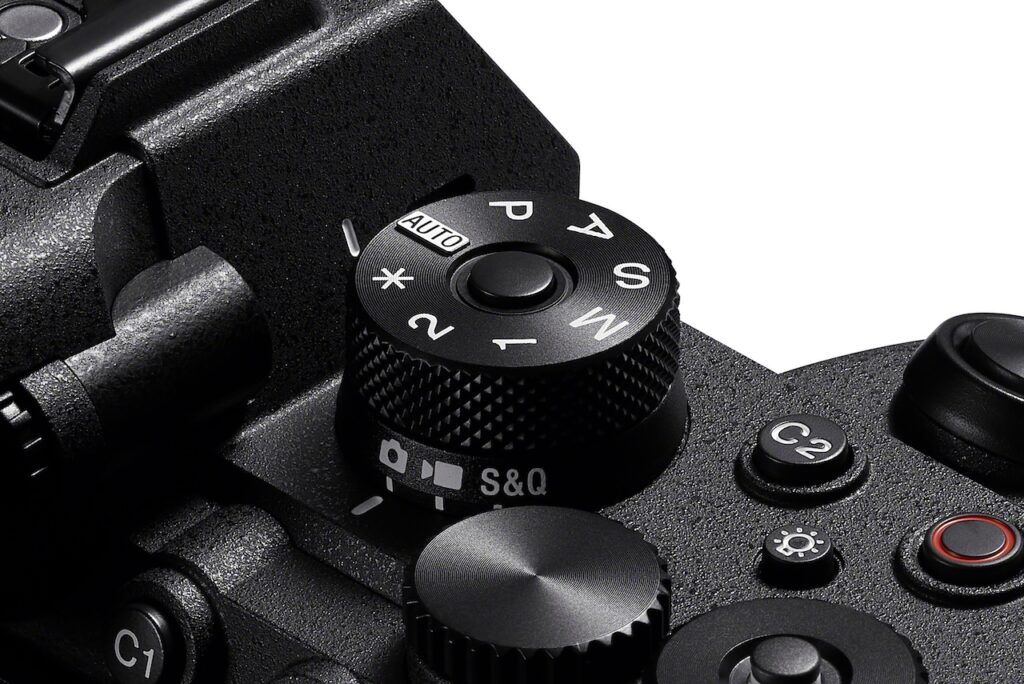
Dual USB-C ports allow simultaneous charging and data transfer. Rear buttons are illuminated for low-light operation. The body is magnesium alloy — lightweight but durable. A 4-axis multi-angle LCD monitor covers flexible shooting angles, and the mode dial’s Memory Recall function links shooting setups to customisable buttons. These are the details that separate a camera you tolerate from one you actually want to use.
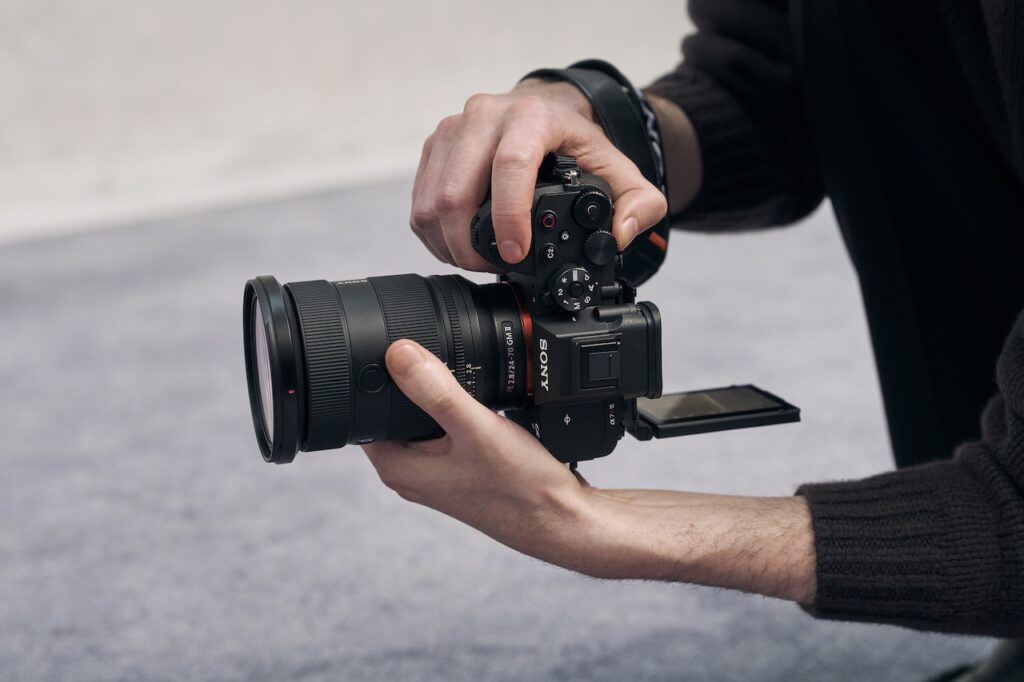
The A7R VI is also the first R-series body to include Sony’s Camera Authenticity Solution — supporting the C2PA standard, which enables verification that images were captured with a camera rather than AI-generated. For photojournalists, agencies, and editorial clients dealing with content provenance questions, this is a workflow feature that will matter increasingly.
The XLR-A4 Adaptor: Pro Audio, Finally Sorted
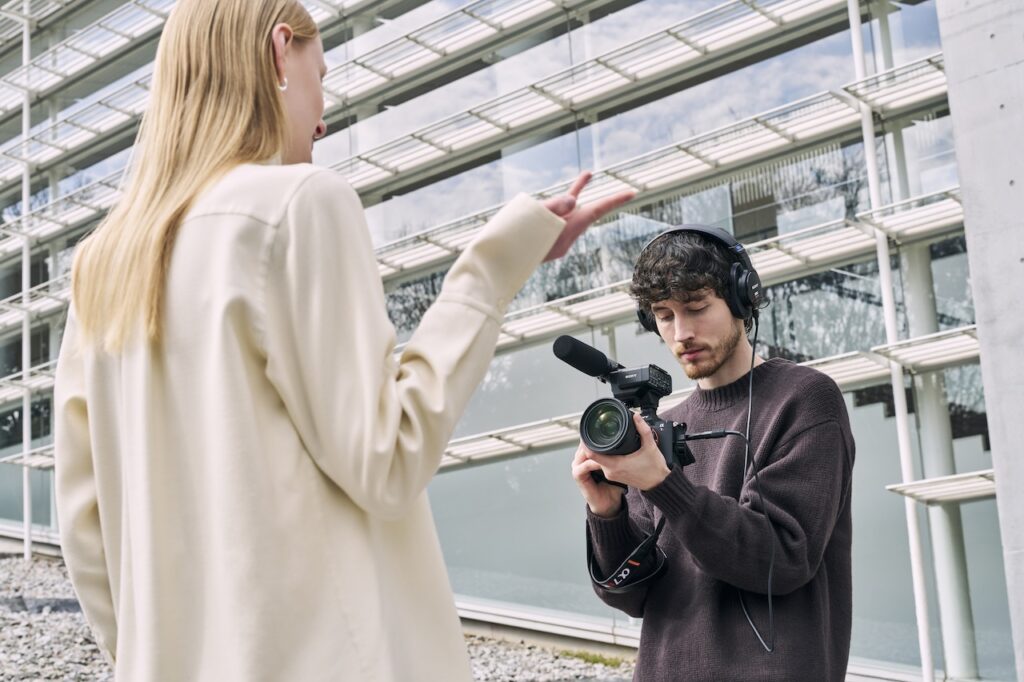
Alongside the camera, Sony is launching the XLR-A4 adaptor at $779.99 — a lower-profile upgrade on the previous XLR-K3M that adds 32-bit float audio recording directly in-camera, up to 4 channels at 96kHz. The 32-bit float format is significant for location shooters: it captures such a wide dynamic range of audio that fine gain adjustment on location becomes essentially unnecessary, dramatically reducing the risk of distortion during unpredictable shoots. Connect up to two XLR microphones, route a 3.5mm stereo jack alongside, and the audio chain is genuinely professional-grade without a separate recorder.
The Verdict
The Alpha 7R VI costs $4,499 for the body. That’s a serious number, and it’s a serious camera — one that demands serious consideration. Sony positions it as offering the highest resolution and continuous shooting performance in the Alpha series, and the spec sheet gets remarkably close to the A1 II at a meaningfully lower price point.
If you’re a working photographer who has ever wished you didn’t have to choose between your resolution body and your action body, this is Sony’s answer. If you’re a hybrid creator who needs broadcast-viable video, world-class stills, and professional audio in a single magnesium shell, the A7R VI is probably the most complete argument for consolidation currently on the market.
It doesn’t compromise on resolution. It doesn’t compromise on speed. And it doesn’t ask you to either.